


Because Room to Roam Comes in Two Very Different Flavors
Part of the Why Issaquah? series: Because Room to Roam Comes in Two Very Different Flavors
Here's something we hear a lot: "People tell me there's open space and room to roam in Issaquah, but the town seems so small."
Both things are true. The confusion almost always comes down to two things: where a buyer has actually been looking, and which kind of "room to roam" they mean. Because under one Issaquah-area search, there are genuinely two different products.
Where People Look First, and Why It May Disappoint
Most first-time visitors see three things:
Downtown
The Issaquah Highlands
A standard subdivision or two
All three are genuinely great, but none of them is where room to roam actually lives.
Flavor One: Inside City Limits, Wooded and Private
If you're picturing a traditional suburban neighborhood, just with a bigger yard, Issaquah's core doesn't really offer that. What it offers instead comes in two distinct flavors, each worth understanding on its own terms.
Issaquah's boundary climbs up onto the lower slopes of Cougar Mountain and Squak Mountain, real forested terrain that was never going to be developed like the downtown grid. That's where the city's own large-lot zoning lives.
Two zones matter most:
C-Res (Conservancy-Residential): one dwelling unit per 5 acres. Minimum lot size, 5 acres.
SF-E (Single-Family Estates): roughly 1.24 units per acre. Minimum lot size, 35,000 square feet, a bit over three-quarters of an acre.
You'll find this in practice on Squak Mountain's established large-lot streets, and in the Montreux community on Cougar Mountain's northern slopes.
The catch: a 5-acre C-Res lot on paper and a 5-acre usable building envelope are two different things. Steep slope hazard regulations, geological hazard setbacks, and a forested hillside preservation chapter all limit grading and construction on this kind of terrain. A parcel can look like five usable acres on a map and turn out to be one flat building pad surrounded by four acres of protected hillside. A geotechnical or critical-areas study before writing an offer isn't optional homework here, it's the whole ballgame.
What you get in exchange: full city utilities, Issaquah city services, and a short drive to downtown.
Flavor Two: Just Outside the Line, Real Acreage
For buyers who want flat, fenced, genuinely usable land rather than wooded hillside, the answer sits just past the city boundary, in unincorporated King County, often carrying an Issaquah-area address (in whole or in part) and often the Issaquah School District.
This land is typically zoned RA-5 (one dwelling unit per five acres) or similar under the county's rural area code, which is what makes real 5-plus-acre, low-slope parcels realistic here in a way they rarely are a few miles closer to downtown. A handful of specific communities anchor this side of the map:
Hobart, along the Issaquah-Hobart Road corridor, where properties average roughly two and a half acres. Its mailing address is mixed, spanning Issaquah's 98027, Maple Valley's 98038, and a small historic Hobart ZIP, so only part of it actually carries an Issaquah address.
Mirrormont, a forested, established community with its own internal street network, averaging roughly a half-acre to just under an acre on core streets and climbing toward two-plus acres on others.
May Valley, along SE May Valley Road, the most rural-feeling of the group, with an average parcel size north of three and a half acres.
What you get in exchange: private well and septic instead of city utilities, narrower and often unlit roads, and a longer commute than a downtown or Highlands address.
Comparing the Two Directly
For a buyer weighing both, the trade-off comes down to this:
Inside city limits (Squak Mountain, Montreux): privacy and wooded elbow room, full city services, a short commute, but real limits on how much of a large lot is actually buildable.
Outside city limits (Hobart, Mirrormont, May Valley): genuinely flat, usable acreage and a lower price per acre, but well and septic systems and a longer drive.
Neither is a downgrade from the other. They're different answers to the same question, and the right one depends entirely on whether a buyer's priority is privacy-with-convenience or land-you-can-actually-use.
For Buyers & Sellers
The single most useful thing to establish early as a buyer chasing "room to roam" is which version you actually mean. Both exist under an Issaquah address. They are not the same product, and touring the wrong one first is what creates the "this city feels so small" disappointment in the first place.
Sellers with a larger in-city lot should have a critical-areas or slope study ready before listing. Sellers with unincorporated acreage should lead with lot size and rural character explicitly, since that's exactly what these buyers search by.
Curious which flavor of room to roam actually fits what you're picturing? Reach out to Kelly Azzarello Real Estate and we'll walk through both sides of the map with you.
Kelly Azzarello Real Estate | Compass
📧 kelly@kellyazzarello.com | 📞 (425) 830-6457 | 🌐 kellyazzarello.com

Because This Town Shows Up for Its Kids' Games
Part of the Why Issaquah? series: Because This Town Shows Up for Its Kids' Games
Why Issaquah? Because This Town Shows Up for Its Kids' Games
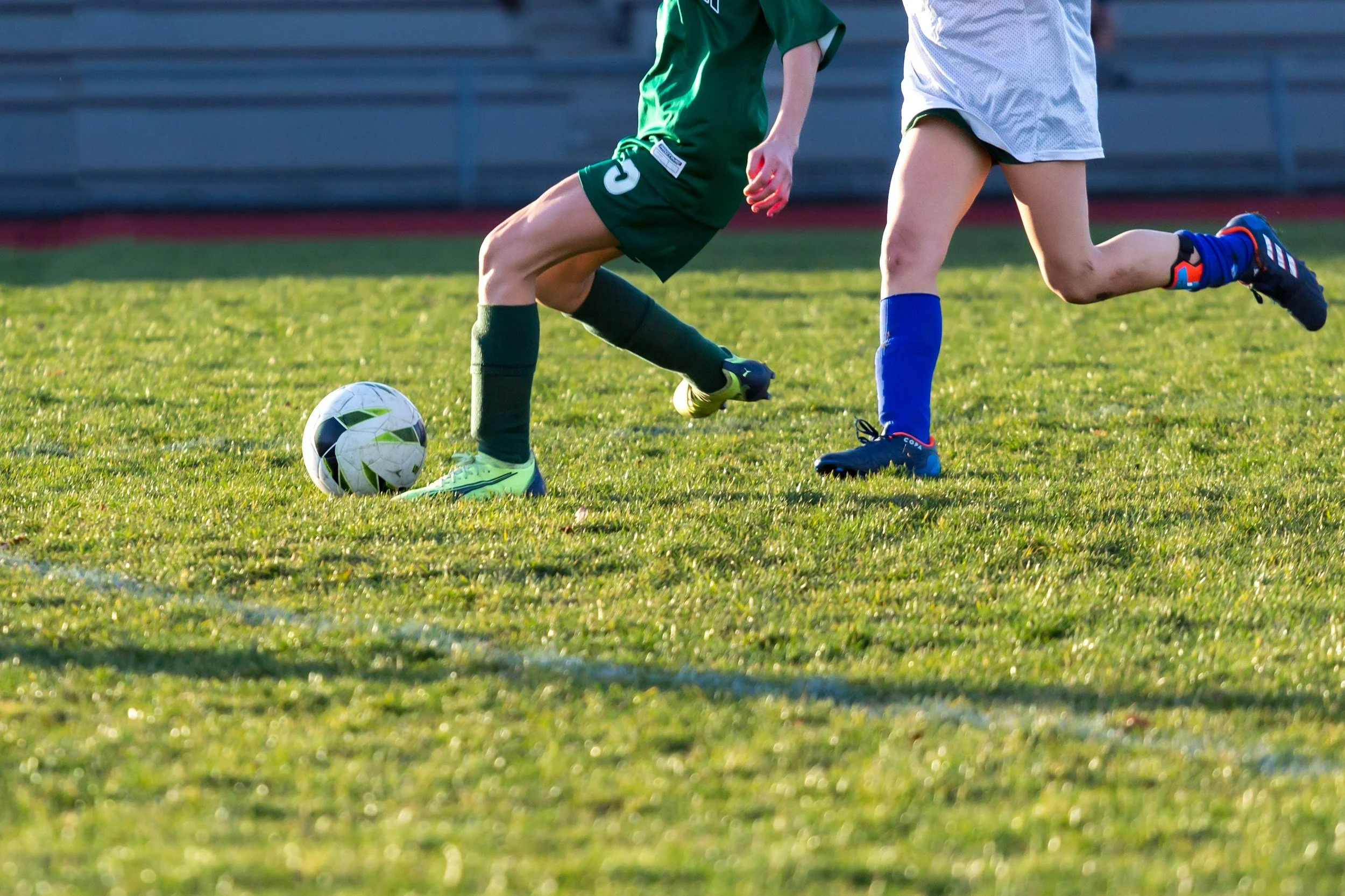
Soccer players
Ask around Issaquah on a Saturday morning and you'll find a fair number of families headed to a diamond, a pool deck, or a soccer sideline before they've even had coffee. Club sports run deep here, and three organizations in particular have been building athletes, and community, for decades: Issaquah Little League, the Issaquah Swim Team, and the Issaquah Soccer Club.
Issaquah Little League: Baseball and Softball
We couldn't pin down an exact founding year for Issaquah Little League itself, but the evidence points to it being the oldest of the town's major youth sports organizations by a wide margin. Little League Baseball chartered new local leagues across nearly every American town through the 1950s and 1960s, and Issaquah's own league carries every sign of that vintage: a long-running nonprofit filing history and the kind of "as far back as people can remember" community presence that newer clubs don't have yet. Treat this as an educated guess pending confirmation, not a sourced date.
One detail worth knowing: there's no separate "girls softball" organization in Issaquah. Softball runs as a division inside Little League itself, alongside baseball, not as its own club. Issaquah's Little League softball program is genuinely competitive too; a Majors All-Star softball team represented Issaquah at the Little League Softball World Series in 2022.
The Sockeyes: Issaquah Swim Team (1976)
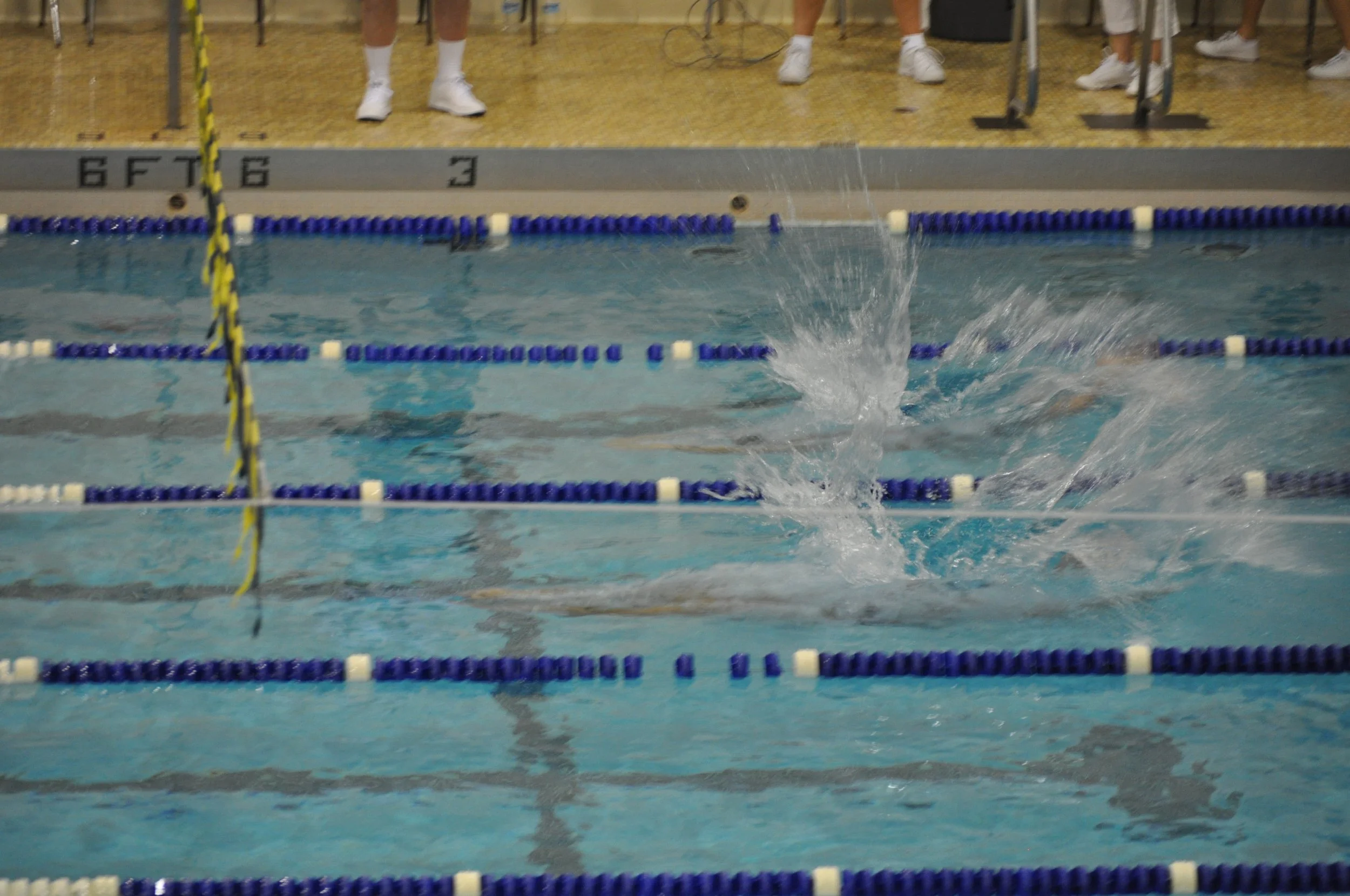
Founded in 1976, the Issaquah Swim Team, everyone just calls them the Sockeyes, is a year-round, USA Swimming-affiliated club with more than 300 members ranging from beginning age-groupers to national-level competitors. IST operates out of multiple pool facilities around the greater Issaquah area and has built a genuine pipeline: program graduates regularly go on to swim at the Division I, II, and III collegiate level, and the club sends swimmers to national-caliber meets most years. There's also an active Masters program for adults, so the pool deck isn't just a kids' scene. Plenty of grown-ups training for fitness, open water swims, or triathlons swim under the same IST banner. For families who prioritize a serious, well-coached swim program, the Sockeyes are one of the better-known clubs on the Eastside.
The Gunners: Issaquah Soccer Club (1980)
On the soccer side, the Issaquah Soccer Club, known by its club identity as the ISC Gunners, has been serving the community since 1980 and now fields well over 300 youth teams and roughly 3,000 kids a year, from tiny recreational players under age 5 up through competitive travel teams. The club runs a tiered system: Recreational teams for kids who want one relaxed fall season, and Arsenal, the club's select-level program, for players from about U11 through U18 who want a more competitive, year-round commitment, with top Arsenal teams advancing into higher regional leagues. At the very top, ISC has also fielded Premier Development League and Women's Premier Soccer League teams, giving talented local players a realistic pathway to see high-level and even semi-professional soccer up close, in their own town. Home base for the club's summer season is Lake Sammamish State Park, where ISC leases and maintains a cluster of grass fields. More on that in our post about the park itself.
Plenty Beyond Little League, Swimming, and Soccer
Those three may be the biggest and longest-running, but they're far from the only game in town. Youth lacrosse and Eastside-area travel baseball and basketball clubs draw heavily from Issaquah families, and the Issaquah School District's three (soon to be four) comprehensive high schools field deep, well-regarded athletics programs of their own across essentially every sport. Combine that with the informal side: pickup basketball at the community center, weekend rides on the Issaquah Alps' extensive trail network, and a genuinely outdoors-first culture. And it adds up to a town where organized sport isn't an extracurricular afterthought, it's part of the weekly rhythm.
For Buyers & Sellers
For families relocating with kids already committed to club swimming or soccer, proximity to IST's pool facilities or ISC's practice fields can be a genuine deciding factor between neighborhoods. It's worth asking directly rather than assuming it doesn't matter. And a listing near Lake Sammamish State Park or one of the club's regular practice sites can reasonably highlight that convenience for the right buyer.
Want help figuring out which Issaquah neighborhoods put you closest to the pools, fields, or programs your family already loves? Reach out to Kelly Azzarello Real Estate. We know this community, on and off the field.
Kelly Azzarello Real Estate | Compass
📧 kelly@kellyazzarello.com | 📞 (425) 830-6457 | 🌐 kellyazzarello.com

Because You Can Have the Suburb and Still Make the Meeting
Part of the Why Issaquah? series: Because You Can Have the Suburb and Still Make the Meeting
Issaquah sits about 16 miles east of downtown Seattle, right off Interstate 90, a 20-to-30-minute drive depending on traffic, and a straight shot with no lake crossing to navigate. Bellevue is closer still, roughly 15 minutes away, which puts Microsoft's Redmond campus, Amazon's Bellevue offices, and the rest of the Eastside tech corridor within easy commuting range without giving up the feel of a smaller, more residential city.
A Suburb With Its Own Anchor Employer
Issaquah isn't just a bedroom community, either. It's home to the world headquarters of Costco Wholesale, one of the largest employers on the Eastside. That combination of a genuine local employment base plus quick highway access to Bellevue and Seattle gives Issaquah a different commuting profile than cities that are purely residential.
Getting Around Without Driving the Whole Way
Issaquah has two real transit hubs: the Issaquah Transit Center downtown and the Issaquah Highlands Park & Ride up on the plateau, both serving as anchor points for the routes below.
● Route 203 connects Issaquah Highlands, North Issaquah, and the Issaquah Transit Center to Sound Transit's 2 Line light rail at South Bellevue Station, by way of Newport Way and Factoria.
● ST Express Route 556 runs directly to Bellevue Transit Center and Bellevue Downtown Station, connecting to the 2 Line from there, with stops added right on Sunset Way and Gilman Boulevard, roughly every 15 minutes.
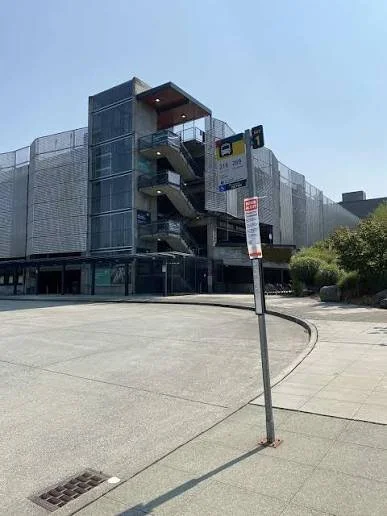
Issaquah Highlands Park and Ride
● Route 269 links Issaquah Highlands to Mercer Island and the Overlake/Redmond area.
● Route 215 covers the corridor out to Snoqualmie and North Bend, for anyone commuting the other direction.
● King County Metro's on-demand Metro Flex service also operates within Issaquah, for the last-mile trips a fixed route doesn't cover.
A word of caution on any of this in print: King County Metro and Sound Transit restructured a meaningful share of Eastside bus service in August 2026 to connect better with 2 Line light rail, replacing some long-standing routes outright. Transit route numbers and schedules are worth reconfirming against Sound Transit's and King County Metro's own sites before publishing, since they do change.
Alternatives to Public Transportation:
For drivers and cyclists, Issaquah also has a bike trail network connecting downtown to the Gilman Boulevard shopping district, Lake Sammamish State Park, and on toward Redmond, and multiple park-and-ride lots beyond the Highlands facility for anyone doing a hybrid drive-then-transit commute. Some employers add their own layer on top: Microsoft, for one, runs its private Connector shuttle with a stop in Issaquah, for employees who'd rather skip both driving and public transit.
The Trade-Off Buyers Are Actually Weighing
When buyers compare Issaquah to Sammamish, Bellevue, or Redmond, the conversation almost always comes back to this same trade-off: how much commute time are you willing to spend to get more land, more mountain access, and a lower price point per square foot? Issaquah tends to land in a sweet spot: close enough to the job centers to keep the commute reasonable, far enough out to feel genuinely suburban, with the Issaquah Alps and Lake Sammamish as a bonus most closer-in cities can't match.
For Buyers & Sellers
Commute time to specific employers, Microsoft, Amazon, downtown Seattle, Costco HQ, is one of the first things relocating buyers ask about, especially those coming from out of state who don't yet have an intuitive feel for Eastside geography. Framing a listing's location in minutes to these anchor points, not just miles, tends to land better than a generic "convenient location" line.
Not sure how a given Issaquah neighborhood stacks up against Sammamish or Bellevue for your specific commute? Send us your work address. Kelly Azzarello Real Estate can walk you through the real drive-time trade-offs before you fall in love with a house.
Kelly Azzarello Real Estate | Compass
📧 kelly@kellyazzarello.com | 📞 (425) 830-6457 | 🌐 kellyazzarello.com

Because There's a Neighborhood for Every Kind of Buyer
Part of the Why Issaquah? series: Because There's a Neighborhood for Every Kind of Buyer
Our overview post talked about Issaquah in three broad strokes: the valley floor, the plateau, and the rural edges. That's a good starting map, but once a buyer is actually comparing homes, the real decisions happen at the neighborhood level. Here's a closer look at the areas that come up most often in our conversations with buyers.
Olde Town / Issaquah Valley: The Original Town
This is downtown in the truest sense: the historic core along Front Street and the surrounding valley streets, many of them tracing back to the Pickering family's original farmland. Homes here range from century-old cottages to infill construction, all within walking distance of Gilman Village, the Salmon Hatchery, and the restaurants and shops that make up Issaquah's walkable heart. Buyers who want small-town character and don't mind older housing stock gravitate here first.
Issaquah Highlands: The Planned Community on the Plateau
Built out on Grand Ridge starting in the late 1990s on the site of a former coal mine, the Highlands is Issaquah's newest large-scale neighborhood: contemporary construction, walkable retail at Grand Ridge Plaza, parks, and a noticeably different architectural feel than downtown. It's popular with buyers who want newer construction and easy access to I-90 and SR-900 without sacrificing mountain and territorial views.
Talus: Cougar Mountain's Trail-Access Community
On the west side of the city, Talus was built with sustainability and trail access as the organizing idea: a mix of townhomes and single-family homes woven into a network connecting directly to Cougar Mountain Regional Wildland Park's more than 200 miles of trails. It draws an eco-minded, outdoors-first buyer who wants low-maintenance living without giving up quick access to the woods.
Squak Mountain: Wooded and Established
A quieter, older residential area on the slopes of Squak Mountain, with mid-century homes alongside custom builds, mature trees, and direct access to Squak Mountain State Park's trail network. It tends to appeal to buyers who want privacy and forest surroundings but still want to be minutes, not miles, from downtown.
Montreux: Issaquah's Gated Luxury Estate Community
On Cougar Mountain's northern slopes, Montreux is a 260-acre, HOA-governed master-planned community of roughly 250 single-family homes, with about half its total acreage deeded to homeowners as shared, wooded common area. Many homes take in views of Lake Sammamish and the Cascades, and the community sits within the Liberty High School attendance area, one of the state's stronger-performing public high schools. It's widely marketed as Issaquah's gated luxury estate neighborhood, though gating appears to apply to part of the community rather than the whole thing; confirm the current boundary before stating it flatly in a listing. Either way, it draws buyers comparing it against communities like Sammamish's Sahalee.
For Buyers & Sellers
These neighborhoods aren't interchangeable, even when they're a few minutes apart. A buyer who loved Talus for its trail access probably won't love Montreux's gated formality, and vice versa. Matching the neighborhood's personality to the buyer, not just the bedroom count, is where a lot of the real value in working with a local agent shows up. Sellers benefit from the same lens: knowing exactly which of these identities your home fits helps target marketing at the buyer who will actually fall for it.
Want a tour that actually covers the differences between these areas rather than just the listings? Reach out to Kelly Azzarello Real Estate. We know these neighborhoods block by block.
Kelly Azzarello Real Estate | Compass
📧 kelly@kellyazzarello.com | 📞 (425) 830-6457 | 🌐 kellyazzarello.com