

Salmon Days!!!

Every town has a festival. Very few have one that grew out of the creek running through the middle of downtown. On the first full weekend of every October, roughly 150,000 to 200,000 people pour into Issaquah for Salmon Days, the 57th edition of which lands on October 3 and 4, 2026. They come for the parade, the food, and the hundreds of artist booths. But the real guests of honor are the chinook and coho salmon finishing a journey from the Pacific Ocean, through the Ballard Locks, across Lake Washington and Lake Sammamish, and up Issaquah Creek to the exact place they were born.
We gave the festival a quick introduction earlier in this series. This bonus post is the deep dive: where Salmon Days came from, the 90-year-old hatchery that makes it possible, what there is to do over the weekend, and what it all says about living here.
Before the Salmon, There Was Labor Day
Salmon Days wasn't Issaquah's first big town party. Starting in 1936, the town threw a Labor Day festival that was hugely popular for decades. By the 1960s, though, interest was fading, and the last one was held in 1968.
That left the Greater Issaquah Chamber of Commerce looking for a replacement. Chamber president Earl Robertson, working alongside the local Kiwanis Club, noticed something that was already happening on its own: every fall, people were driving into town to watch salmon return to Issaquah Creek and the hatchery. Why not build a celebration around the thing people were already coming to see?
1970: The First "Salmon Festival"
The first event, then called the Salmon Festival, was held on Saturday, October 3, 1970. The Chamber hoped for 10,000 visitors. Around 20,000 showed up.
The lineup was pure small-town 1970:
● A Kiwanis salmon barbecue, which became one of the festival's longest-running traditions.
● Puppet shows, art displays, and educational exhibits from the hatchery.
● A children's parade, led by Seattle TV favorite J.P. Patches and his sidekick Gertrude.
● Political speeches, square dancing, and, on Sunday, a water fight between seven district fire stations.
The name changed to Salmon Days the following year. For most of the 1970s it stayed a relaxed, local affair, the kind of festival where, as one history puts it, wildlife sometimes wandered through the crowd.
The 1980s: Seafair, Floats, and Six-Figure Crowds
The turning point came in 1980, when Salmon Days became a Seafair-sanctioned event. Seafair clowns, pirates, and floats came with it, and so did the adult parade that became today's Grande Parade. Seattle restaurateur and waterfront legend Ivar Haglund led that first 1980 procession, which feels exactly right for a festival about fish.
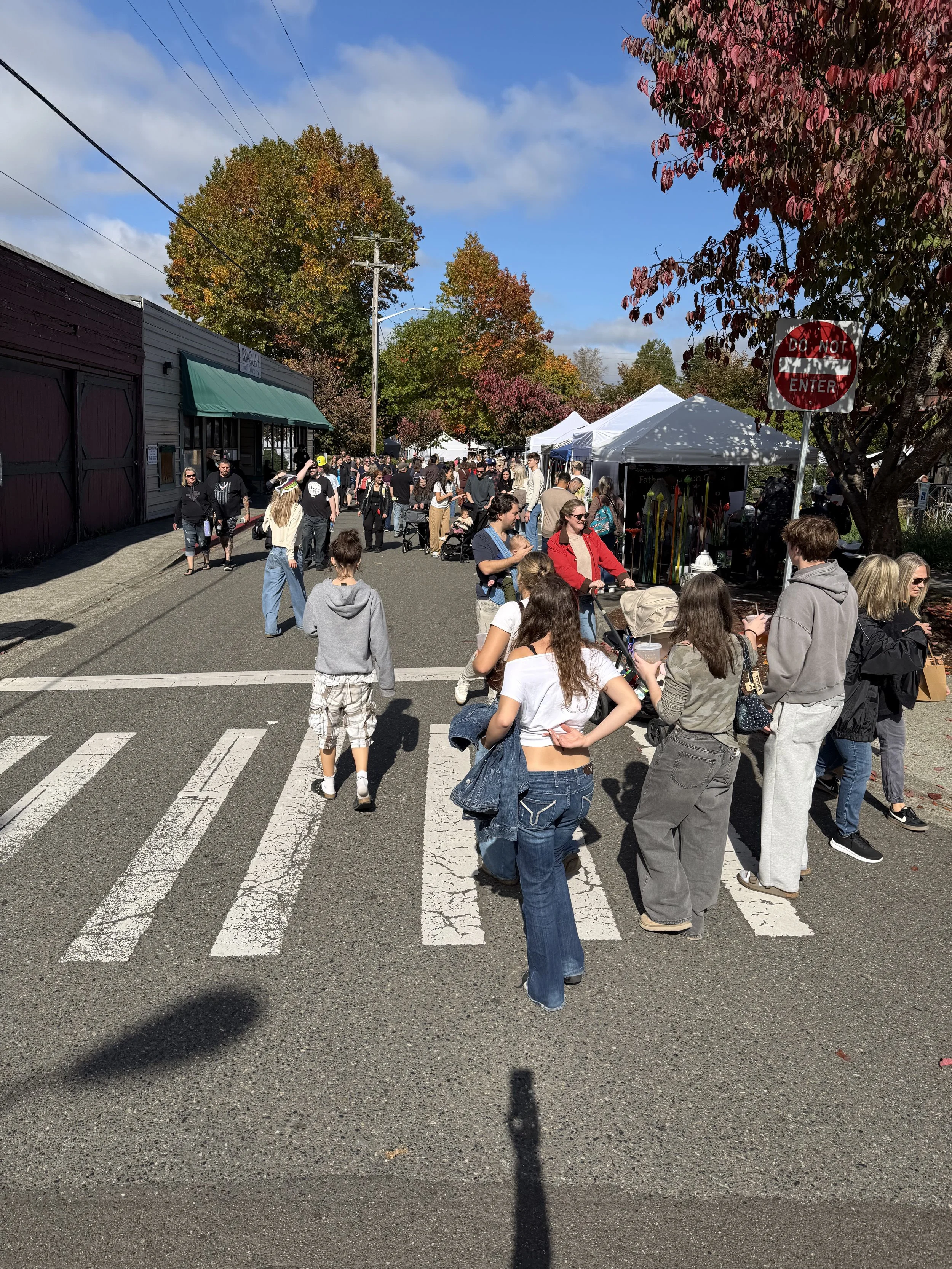
Growth was fast from there. Attendance jumped from about 65,000 in 1980 to roughly 150,000 by 1988. The festival ran entirely on volunteers for its first 15 years, joined the Northwest Festivals Association in 1985, and hired its first paid director in 1987.
Our favorite story from this era: a balloon released at the 1987 festival floated halfway across the country and landed, fully intact, in a field near Newman Grove, Nebraska. The family who found it contacted the Chamber, and the next year they were flown out to serve as grand marshals of the 1988 Grande Parade.
The Modern Festival
Since the 1990s, good-weather years have drawn somewhere between 150,000 and 200,000 people, and the Chamber now bills Salmon Days as the largest two-day festival in Washington. It's still a volunteer-powered event at heart: in 2006, organizers counted more than 2,000 volunteers donating over 12,000 hours. Even 2020 and 2021 didn't break the streak; the festival shifted to virtual and limited in-person formats, with online contests and hatchery webcams keeping the tradition going.
The Real Star: The Issaquah Salmon Hatchery
None of this happens without the hatchery on Sunset Way. It was built in 1936, the same year that first Labor Day festival began, by the Depression-era Works Progress Administration. Its job was to restore salmon runs in Issaquah Creek that had been badly damaged by decades of coal mining and logging. Its first salmon stock came from the nearby Green River.
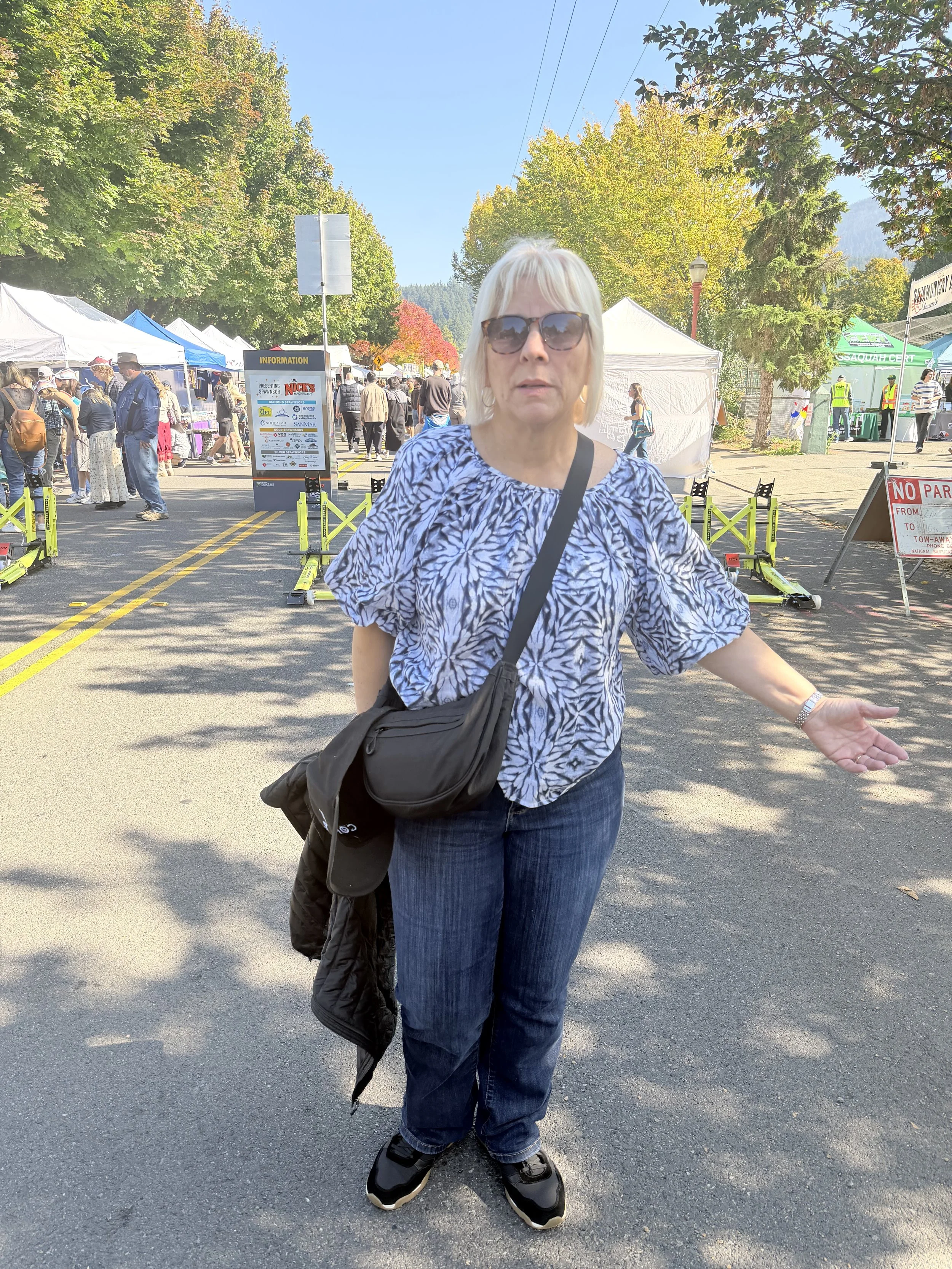
Today, operated by the Washington Department of Fish and Wildlife, it's the most-visited salmon hatchery in the state, drawing an estimated 250,000 visitors a year. Its fish ladder has underwater viewing windows, so you can watch adult salmon push upstream at eye level. The hatchery is also one of the relatively few in Washington that opens its grounds to the public and offers education programs.
Much of that public-facing work comes from the Friends of the Issaquah Salmon Hatchery (FISH), a nonprofit that formed in the mid-1990s and recently marked its 30th anniversary. FISH volunteer docents staff the hatchery during Salmon Days, answering questions for the thousands of people leaning over the railings. If you only have time for one thing all weekend, make it this.
A tip for newcomers: you don't need the festival to see the fish. The run typically builds from September through October, and the hatchery grounds are open to visitors well beyond festival weekend. A quiet weekday visit is a completely different, and surprisingly peaceful, experience.
What to Do at Salmon Days 2026
Admission is free, and the festival runs roughly 10 a.m. to 6 p.m. both days along Sunset Way and the downtown core. Here's how the weekend breaks down:
● The Grande Parade: Saturday, October 3, at 10 a.m. It's the parade's 47th year, the 2026 theme is "Stars, Stripes & Salmon," honoring those who have served in the Armed Forces, and the grand marshal is Nick of Nick's Magnificent Indoor Playground. The route starts at Confluence Park, runs down Rainier Blvd N, turns onto NW Dogwood St, heads north on Front Street, and finishes along NE Gilman Blvd.
● The hatchery and the creek bridge: salmon viewing from the Issaquah Creek bridge and the fish ladder windows, with FISH docents on hand.
● Field of Fun: the kids' zone at Veterans Memorial Field, with bounce houses, inflatable slides, face painting, an animal petting area, sports games, and zorbing (yes, rolling around inside a giant clear ball).
● DockDogs: dogs sprinting off a dock and launching into a pool after a toy, one of the most crowd-pleasing things at the festival.
● Foods of the World: dozens of food vendors clustered near the train depot, plus a 21-and-over beer garden near the community stage.
● Artists and makers: more than 200 artisan booths lining downtown streets, with jewelry, pottery, art, and clothing.
● Live music on multiple stages throughout both days.
Tips From People Who Go Every Year
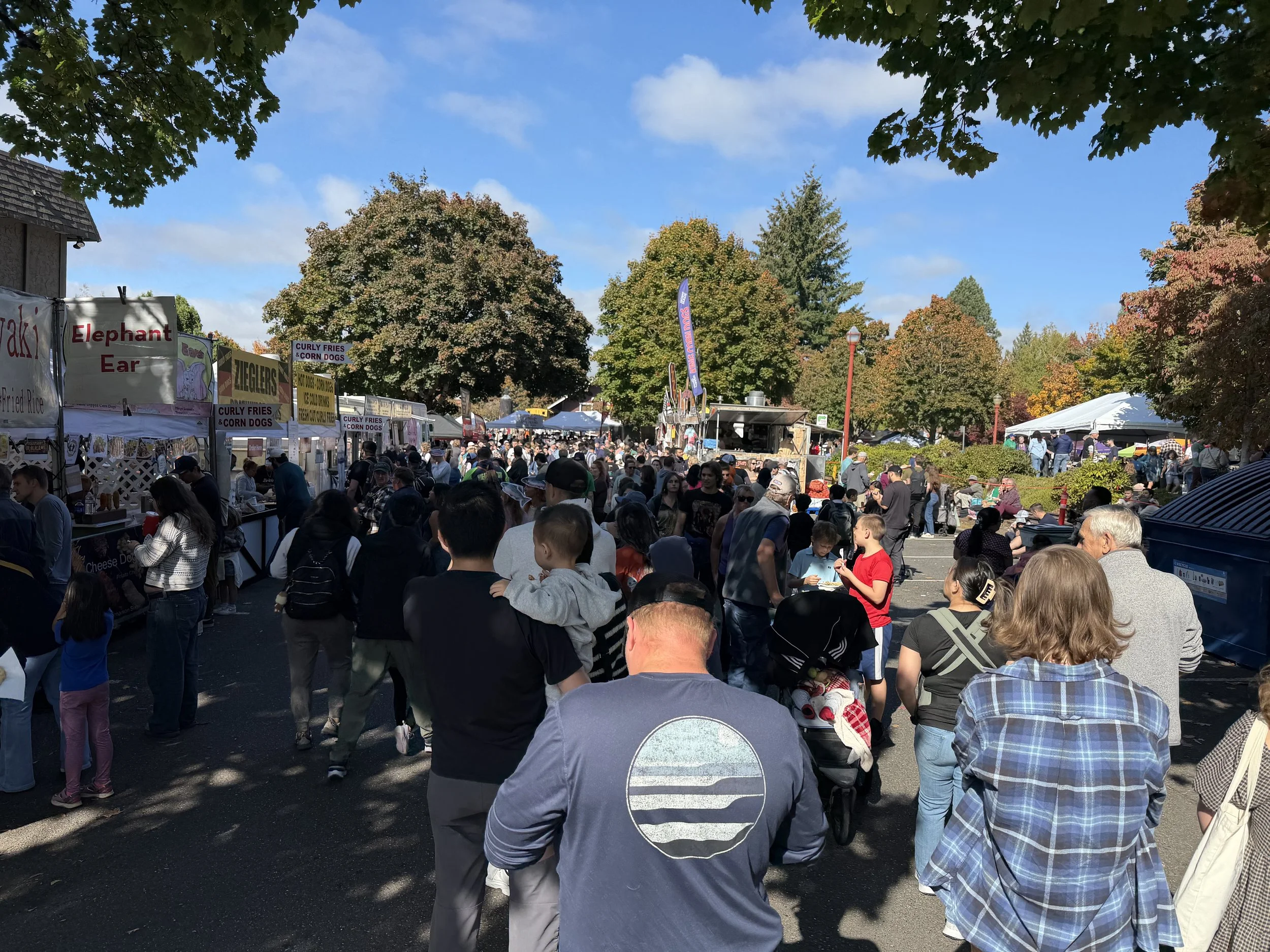
● Go early for the parade, or late for everything else. Saturday morning is the busiest stretch of the whole weekend. Crowds tend to thin out after about 3 p.m.
● Skip the downtown parking hunt. Look for festival shuttle service from outlying lots such as the Issaquah Transit Center, and check salmondays.org for this year's parking and shuttle details before you leave home.
● Dress for October in the Northwest. Layers, a rain shell, and comfortable walking shoes. It's rain or shine.
● See the fish first. The hatchery gets crowded by midday. Head there early, then work your way through the booths.
● Live nearby? Check the resident information page on salmondays.org for road closures and access details for the weekend.
Why This Matters When You're House-Hunting
Salmon Days is a good test of what a town actually is. Plenty of Eastside communities have great schools and nice parks. Far fewer have a 57-year-old tradition, built by volunteers, around a natural event that happens right in the middle of downtown. When buyers ask us "Why Issaquah?", this is a big part of the answer: it's a place with a real identity, and its residents show up for it every single year.
For Buyers & Sellers
For buyers, homes within walking distance of downtown, the historic core, Olde Town, and the streets around Sunset Way and Front Street, offer a genuine "we walk to the parade" lifestyle. It's worth deciding early whether being in the middle of it is a highlight for you, or whether you'd rather be a short drive away with easier weekend traffic.
For sellers near downtown, plan around festival weekend. Street closures and crowds can make showings tricky on October 3 and 4, but the week or two before, when the salmon are running and the town is buzzing, can be a great time to photograph and show a home that sits close to the action.
If you want to know more…
Do your friends and family ask "Why Issaquah?" when you talk about where you live, or where you want to live? Send them this post, and the rest of our Why Issaquah? series. And if you have questions about which Issaquah neighborhoods put Salmon Days within walking distance, or about any home you're considering, reach out to Kelly Azzarello Real Estate. We're always happy to help.