


Because the Highlands Is Basically Its Own City
Part of the Why Issaquah? series: Because the Highlands Is Basically Its Own City
Why Issaquah? Because the Highlands Is Basically Its Own City
Climb out of the valley onto the Sammamish Plateau and something shifts.
The Issaquah Highlands doesn't feel like a neighborhood tacked onto an older city. It feels like a place that was planned from scratch, because it was.
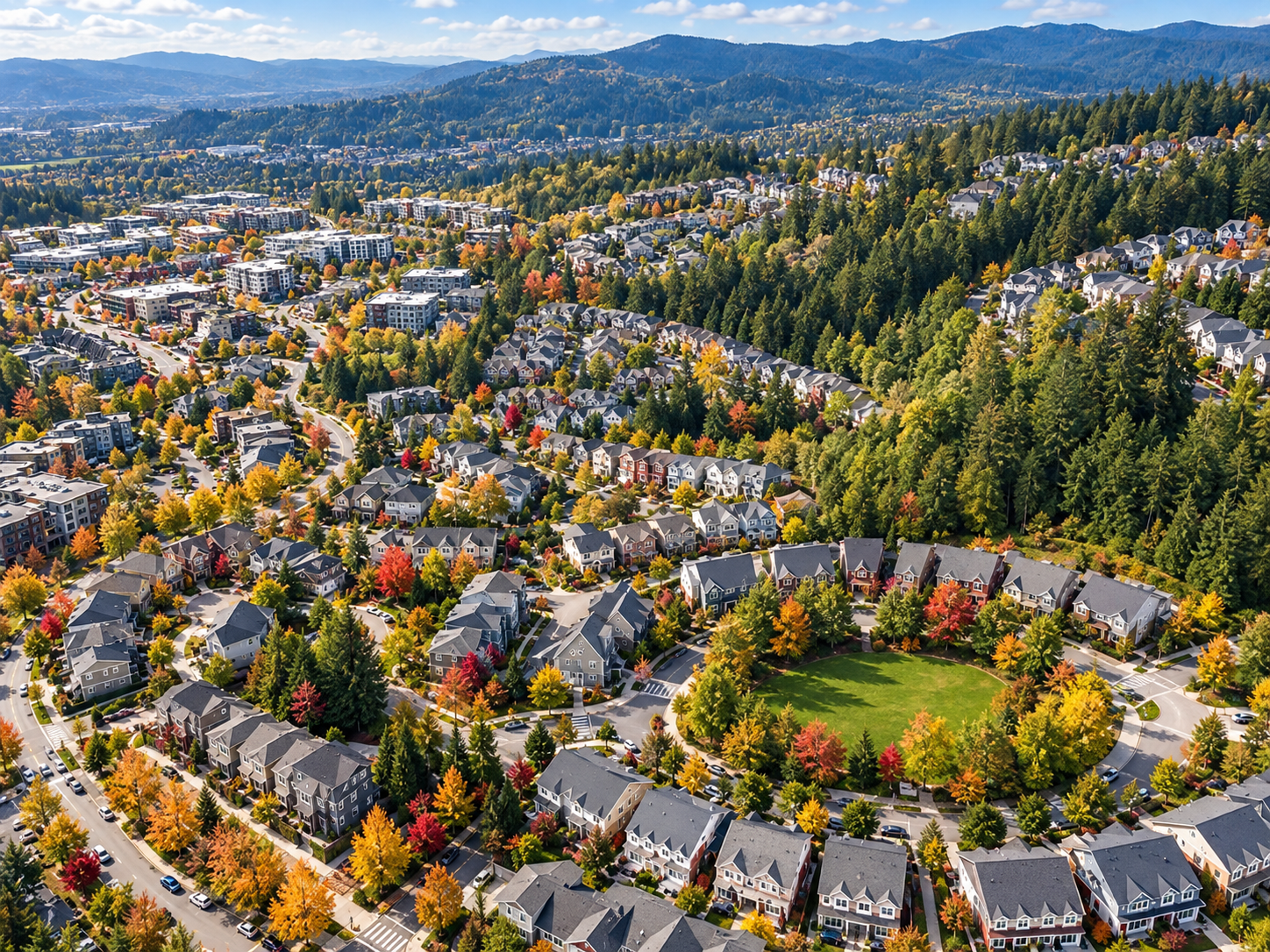
Overhead view of the Issaquah Highlands facing Southwest
Built From Scratch on an Old Coal Mine
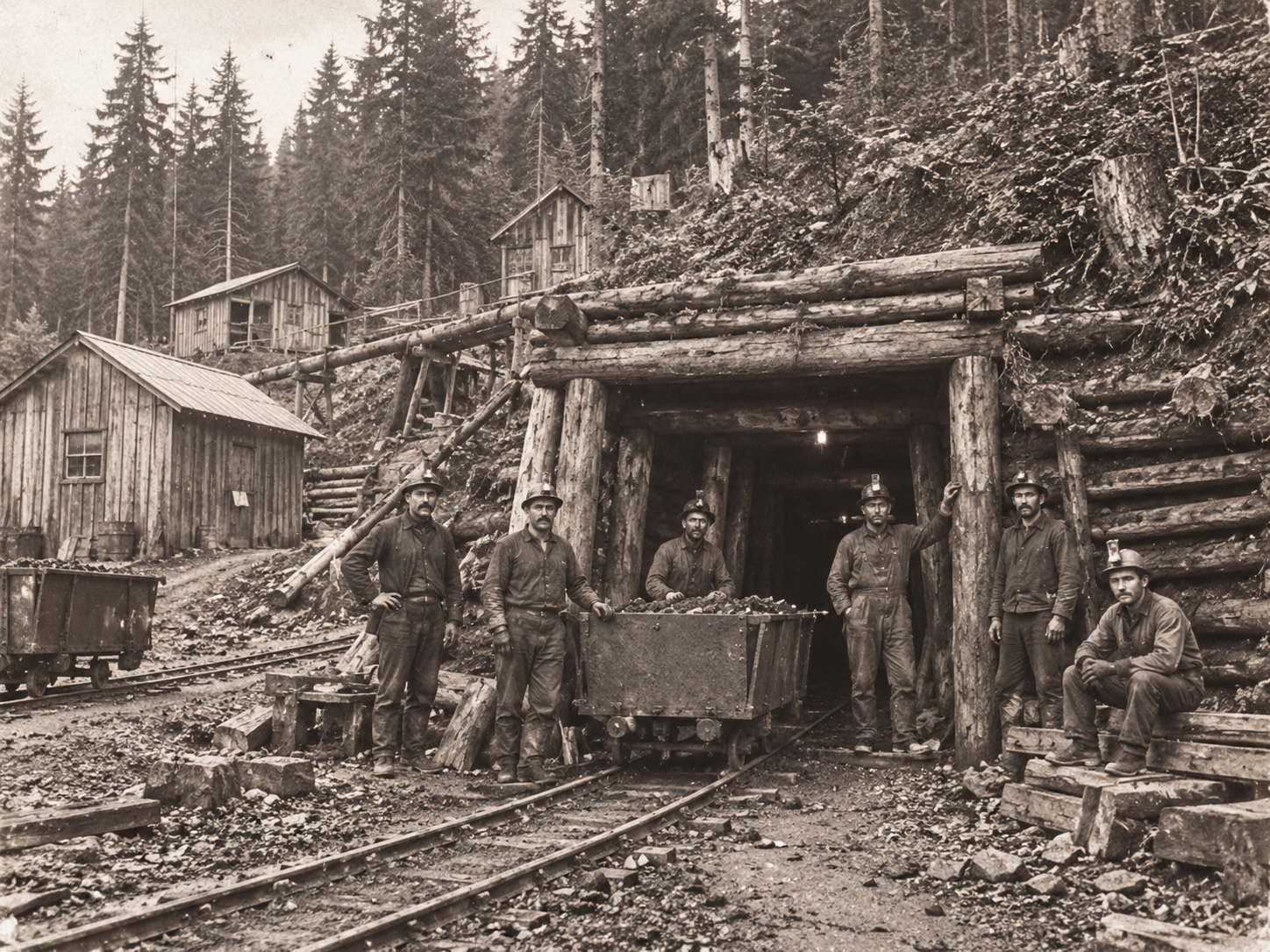
The land under the Highlands wasn't always residential. The Grand Ridge Mine operated here from 1909 into the 1950s, part of the same coal-mining economy that shaped so much of Issaquah's early history.
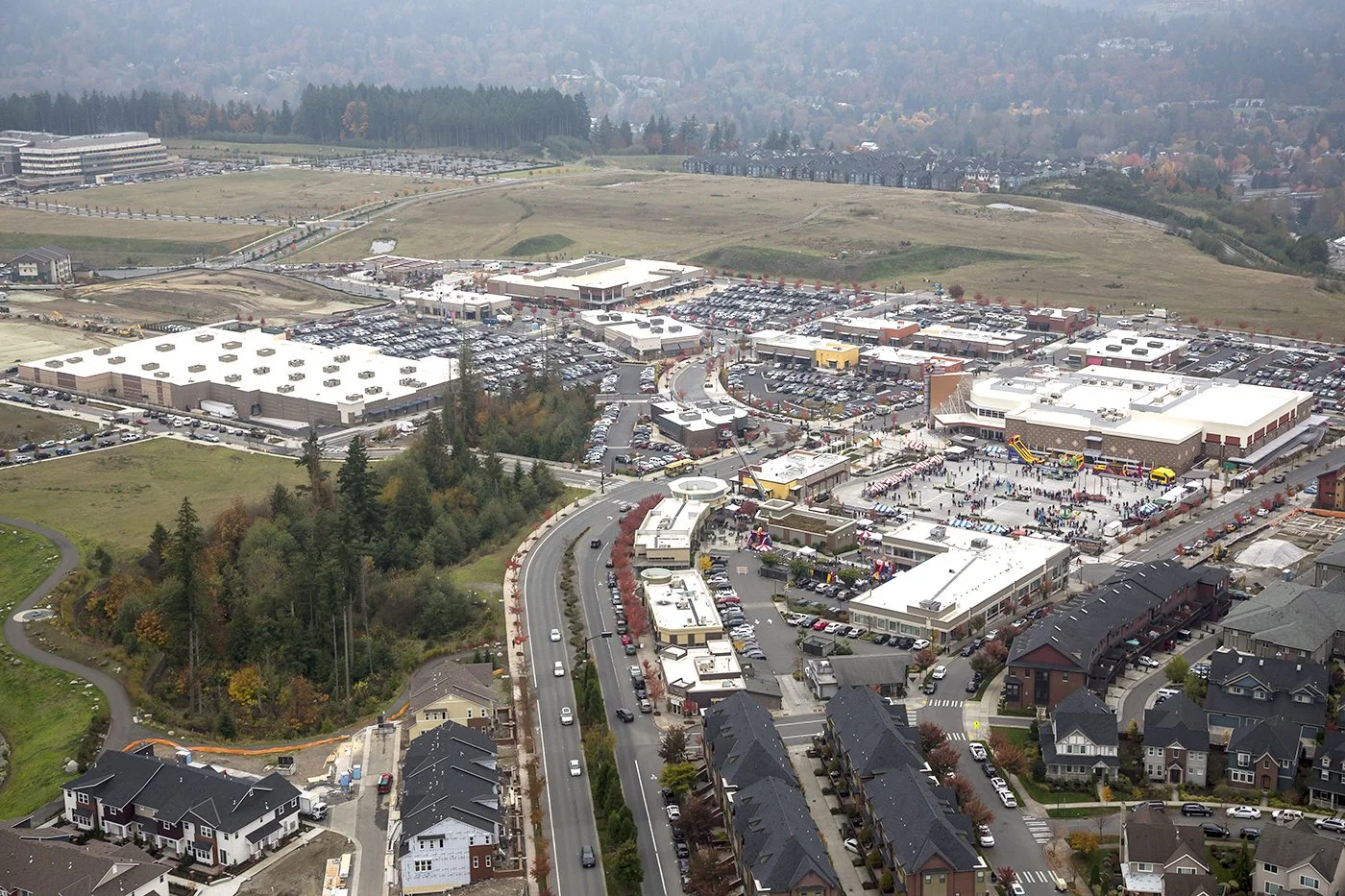
Development on the Highlands as a master-planned community began in the late 1990s. Unlike the valley floor's organic, decades-by-decades growth, the Highlands was designed as a single, coordinated community from day one: street grid, parks, retail, and housing planned together rather than built up piecemeal.
A Different Kind of Issaquah
That planning shows up in how the neighborhood actually feels:
Newer construction, generally built from the late 1990s onward rather than a mix of eras.
Its own retail hub at Grand Ridge Plaza, covered in more depth in our everyday-shopping post, so residents don't need to head down to the valley for groceries or errands.
Walkable streets built around parks and trails, rather than a historic Main Street grid.
A noticeably more contemporary architectural feel than downtown.
For a lot of buyers, the Highlands is less a part of Issaquah and more a whole different answer to the same question: where should I live on the Eastside?
Who Chooses the Highlands
The Highlands tends to draw a specific kind of buyer:
Families who want newer construction and modern floor plans over character and upkeep.
Commuters who want quick access to I-90 and SR-900 without living downtown.
Buyers who want walkability, just in a newer, park-centered form rather than a historic one.
It's worth comparing directly against the valley floor and the specific neighborhoods covered in our neighborhoods post, since “the Highlands” covers a range of price points and housing types on its own.
For Buyers & Sellers
Buyers comparing the Highlands to downtown are often really asking about trade-offs: newer construction versus character, a planned community versus an organic one. Naming that trade-off directly, rather than assuming buyers already know it, tends to move the conversation forward faster.
Want the honest comparison between the Highlands and the rest of Issaquah for your specific priorities? Reach out to Kelly Azzarello Real Estate.
Because the City on Your Mail Isn't Always the City You're In
Part of the Why Issaquah? series: Because the City on Your Mail Isn't Always the City You're In
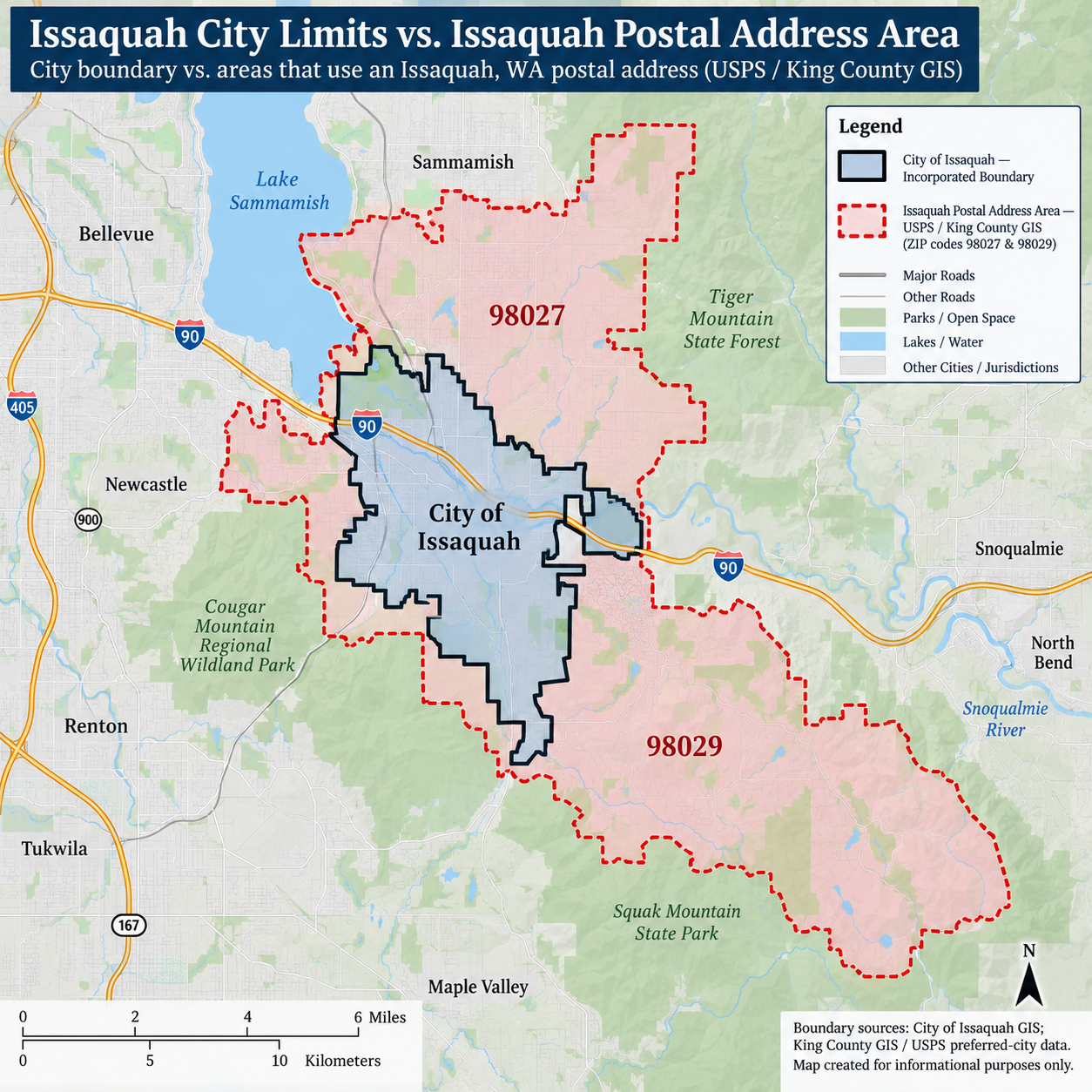
By now, if you've read more than one post in this series, you've seen the pattern: a property with an "Issaquah" address that isn't actually inside the city of Issaquah. It's not a mistake, and it's not unique to Issaquah. It's how the postal system works everywhere in the country, and understanding the mechanism makes the whole thing much less confusing.
The USPS "Preferred City Name"
Every ZIP code is assigned a preferred city name by the U.S. Postal Service, chosen for mail-sorting efficiency, based on the post office that actually services that ZIP code. It has no legal relationship to municipal boundaries at all. A ZIP code's preferred name is frequently the nearest incorporated city, even when the address it's attached to sits well outside that city's actual limits, in unincorporated county land, or even inside a different city entirely.
This is a nationally documented phenomenon, not a local quirk. One well-known example: Sandy Springs, Georgia, spent years petitioning USPS for its own preferred city name instead of "Atlanta," and was refused. The Census Bureau even has a formal term for the distinction: a "postal city" versus a legal, incorporated city.
What This Looks Like Around Issaquah
We've run into several real versions of this exact mismatch while researching this series:
Preston has its own dedicated ZIP code and its own physical post office, entirely separate from Issaquah's. It is not an Issaquah postal address at all, despite sitting close to the city.
Hobart is split: parts of it fall under Issaquah's ZIP code, other parts under Maple Valley's, and a small historic Hobart ZIP covers a third slice. There's no single answer for "what city is Hobart" without checking the specific parcel.
Mirrormont and May Valley generally use Issaquah's ZIP code as their preferred postal city, despite being unincorporated King County, well outside Issaquah's actual municipal boundary.
It Happens Just as Often Inside City Limits, Too
This isn't only a rural, unincorporated-land issue. It shows up just as often with annexed neighborhoods.
Like the city of Issaquah and the postal Issaquah, the lines between many communities deserve deeper investigation before making an offer. Even longtime neighborhoods like Klahanie may be mistakenly thought of as part of Issaquah. It carries an Issaquah postal address, was part of unincorporated King County before that, and today is officially part of the city of Sammamish, having been annexed in 2016. We've even seen it mistakenly referred to as a separate city entirely, including on real estate and rental sites that ought to know better.
This is something we can help you clarify in your search.
Why This Actually Matters for a Buyer
A postal city name tells you almost nothing about which government you'd actually deal with: which city council sets your property taxes and zoning, which police and fire departments respond, which permitting office handles a remodel, and in unincorporated areas, whether you're on city utilities or a private well and septic. Two homes with identical "Issaquah, WA" addresses can sit in entirely different jurisdictions, with entirely different rules.
The only way to know for certain is to check the parcel directly against the actual city limits, not against what the mailing address says.
For Buyers & Sellers
Whenever a listing's city name is doing any work in a buyer's decision, whether that's school district assumptions, expected commute, or just a sense of identity, it's worth verifying the actual jurisdiction rather than taking the postal address at face value. This is a five-minute check that prevents a much more frustrating conversation after closing.
Not sure whether a specific address is actually inside the city its mail says it's in? Reach out to Kelly Azzarello Real Estate and we'll check it for you.