

Is Bolting Your Foundation Worth It? Earthquake Retrofits for Eastside Homes
Some home upgrades you can see from the street. This one you can't. A foundation retrofit happens in the crawlspace, where almost nobody looks until a home inspector, or an earthquake, forces the question.
It's also one of the most cost-effective things the owner of an older Eastside home can do. Below, we walk through what a retrofit is, why it makes financial sense, and how to tell whether your home needs one. It's part of our series on hidden issues worth understanding before they get expensive, whether or not you plan to sell soon.
Why this matters on the Eastside
We live and work on top of active faults. The Seattle Fault runs east to west beneath downtown Seattle and Puget Sound, passes through or near Bellevue and Mercer Island, and reaches toward the foothills near Issaquah. It last ruptured about 1,100 years ago in a quake estimated at magnitude 7 or higher.
Offshore, the Cascadia Subduction Zone is capable of a magnitude 9 earthquake. The U.S. Geological Survey has put the chance of one striking within the next 50 years at about 14 percent. Nobody can predict the date, which is the whole point: the time to prepare is before there is one.
What actually fails in an older house
Most older homes in our area are a wood-frame house sitting on a concrete foundation. In many of them, the frame is held in place mostly by its own weight, with little or nothing fastening it to the concrete. Between the foundation and the first floor there is often a short framed wall called a cripple wall (also called a pony wall), and in older homes it is frequently open framing with no plywood bracing.
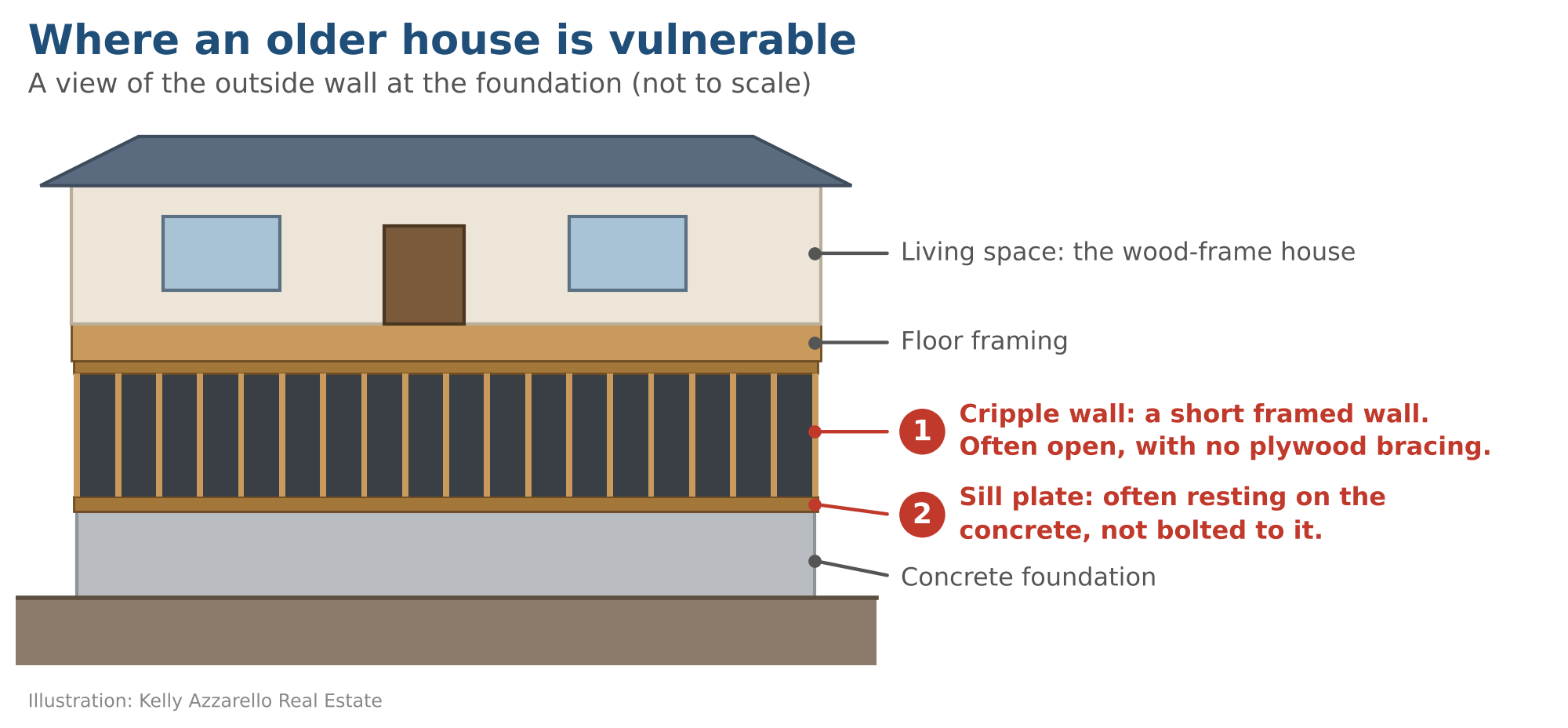
Figure 1. The two weak points in many older homes: the cripple wall and the sill plate.
According to the City of Seattle's retrofit guidance, most earthquake damage to single-family homes comes from one of two failures: the house jumping off its foundation, or a weak cripple wall collapsing. Either one can leave a home unlivable and very expensive to repair.
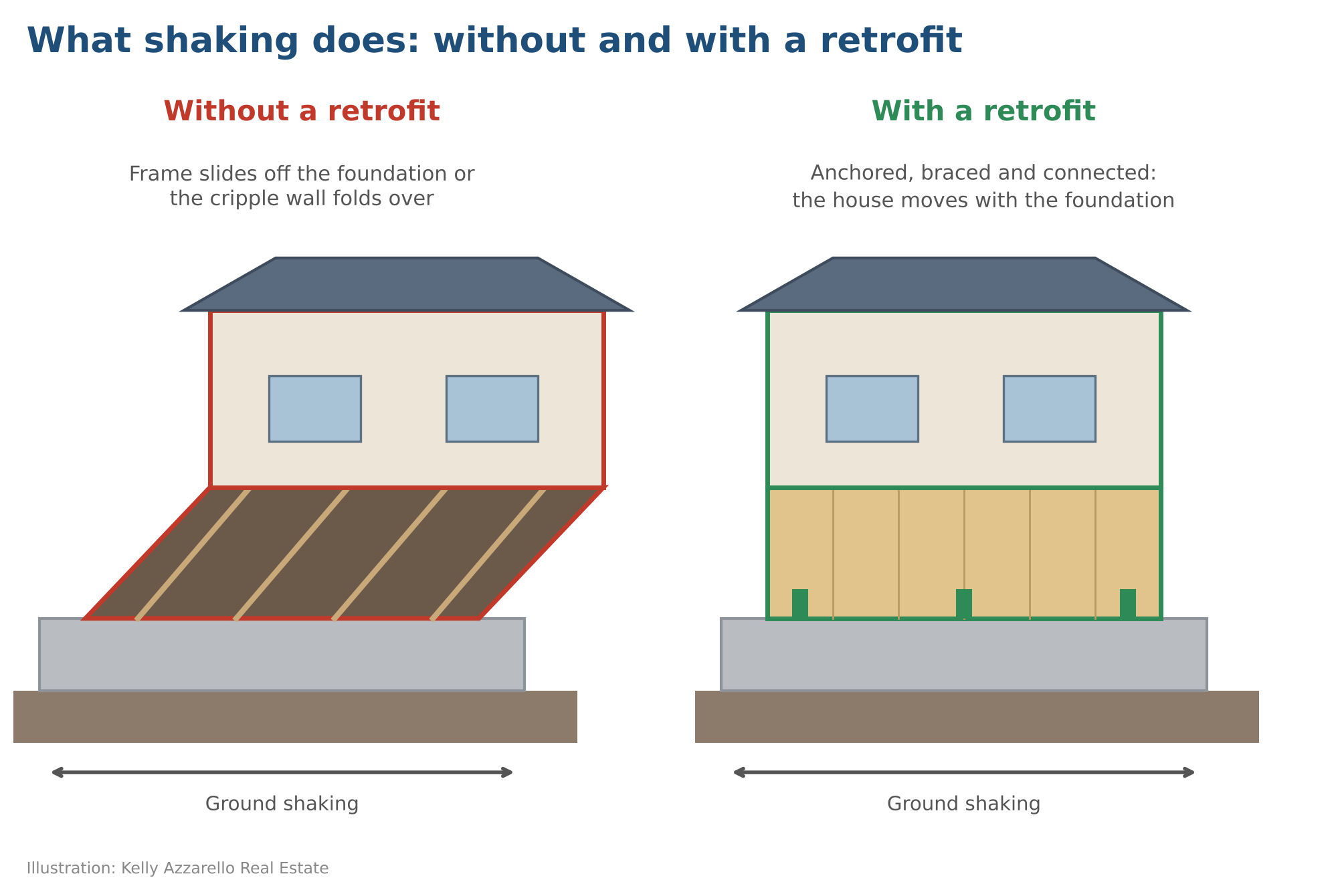
Figure 2. Without a retrofit, the frame can slide or the cripple wall can fold. With one, the house moves with the foundation.
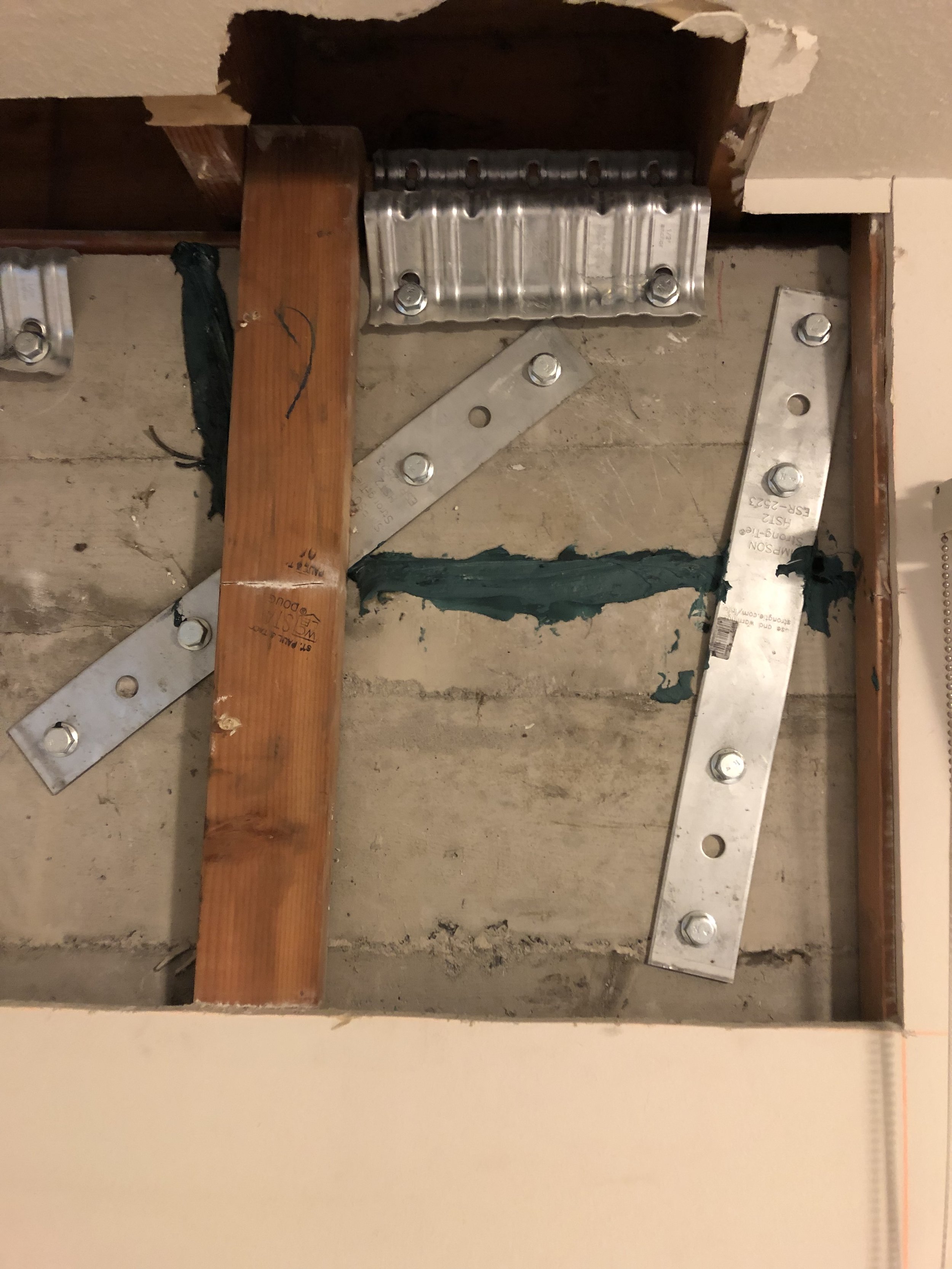
Strapping applied.
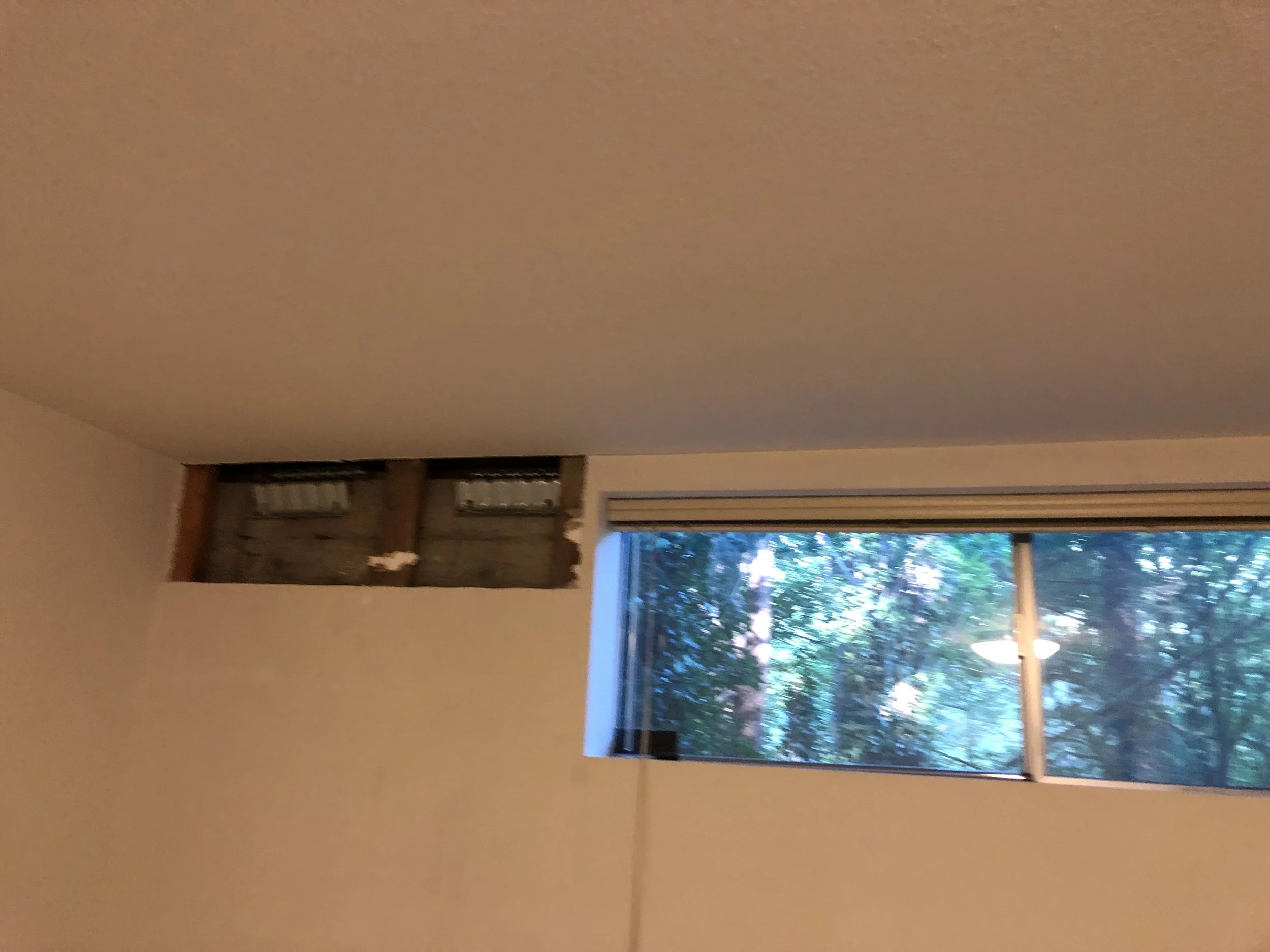
Drywall removed to facilie seismic retrofit.
Is your home a candidate?
Age is the quickest clue. Local retrofit contractors say homes built before about 1980 may not be properly secured, and homes built before about 1965 typically have no anchor bolts at all. A lot of the Eastside's older housing stock falls in that window, including pockets of Bellevue, Renton, Redmond and Issaquah.
Newer neighborhoods, like much of Sammamish and Klahanie, were built under more modern codes and are more likely to be anchored already. "More likely" isn't the same as confirmed, so it's worth a look. A quick check from the crawlspace access:
• Bolts: Look for bolt heads or nuts with square plate washers along the wood that sits on top of the concrete.
• Plywood: Look for plywood nailed to the short walls between the concrete and the floor. Open stud framing is a flag.
• Hardware: Look for metal connectors tying the floor framing to the wall below.
• Not sure? Ask a licensed contractor or structural engineer to take a look. Crawlspaces can hide moisture, wiring and pests, so we don't suggest crawling in alone if you're unsure.
Homes built on a slab, with no crawlspace, don't have this particular weakness. Homes with finished basements or unusual layouts may need an engineer's input.
What a retrofit involves: anchor, brace, connect
The City of Seattle sums the work up in three words, and the idea is simple: give the house a continuous path from the roof to the ground so it can't separate from its foundation.
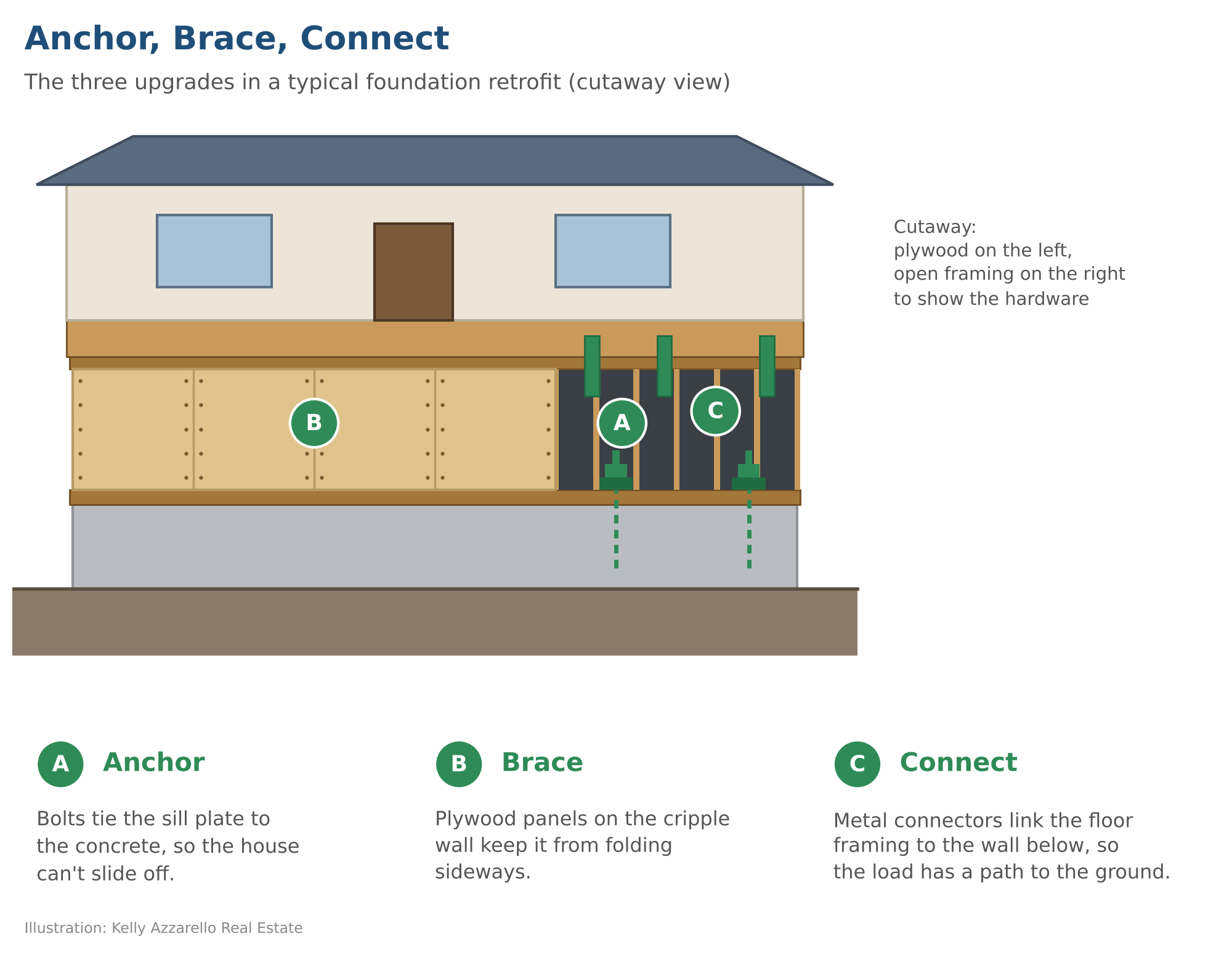
Figure 3. Anchor, brace, connect: the three parts of a typical foundation retrofit.
• Anchor: Bolts fasten the wood sill plate to the concrete foundation.
• Brace: Plywood panels on the cripple walls keep them from folding sideways.
• Connect: Metal framing hardware ties the floor framing to the walls below.
Most of the work happens in the crawlspace rather than inside your living space, which makes it a relatively low-disruption project.
Why it's a good investment
Think of it as a small premium against a large loss that, for most homeowners, isn't covered.
The cost is modest compared to the exposure. Seattle-area retrofit contractors put the average job at roughly $5,000 to $12,000, with higher figures for homes with finished basements. National cost guides list Seattle-area foundation bolting from about $1,100 to $5,600 and cripple wall bracing from about $1,100 to $3,300, so the size and access of your crawlspace matter a great deal.
Standard homeowners insurance doesn't cover earthquakes. That takes a separate policy, and those commonly carry deductibles of 10 to 25 percent. On a home with $600,000 of dwelling coverage, that is $60,000 to $150,000 out of your pocket before the policy pays anything. A retrofit lowers the odds of the most common kind of structural failure, which is damage you may have to absorb yourself.
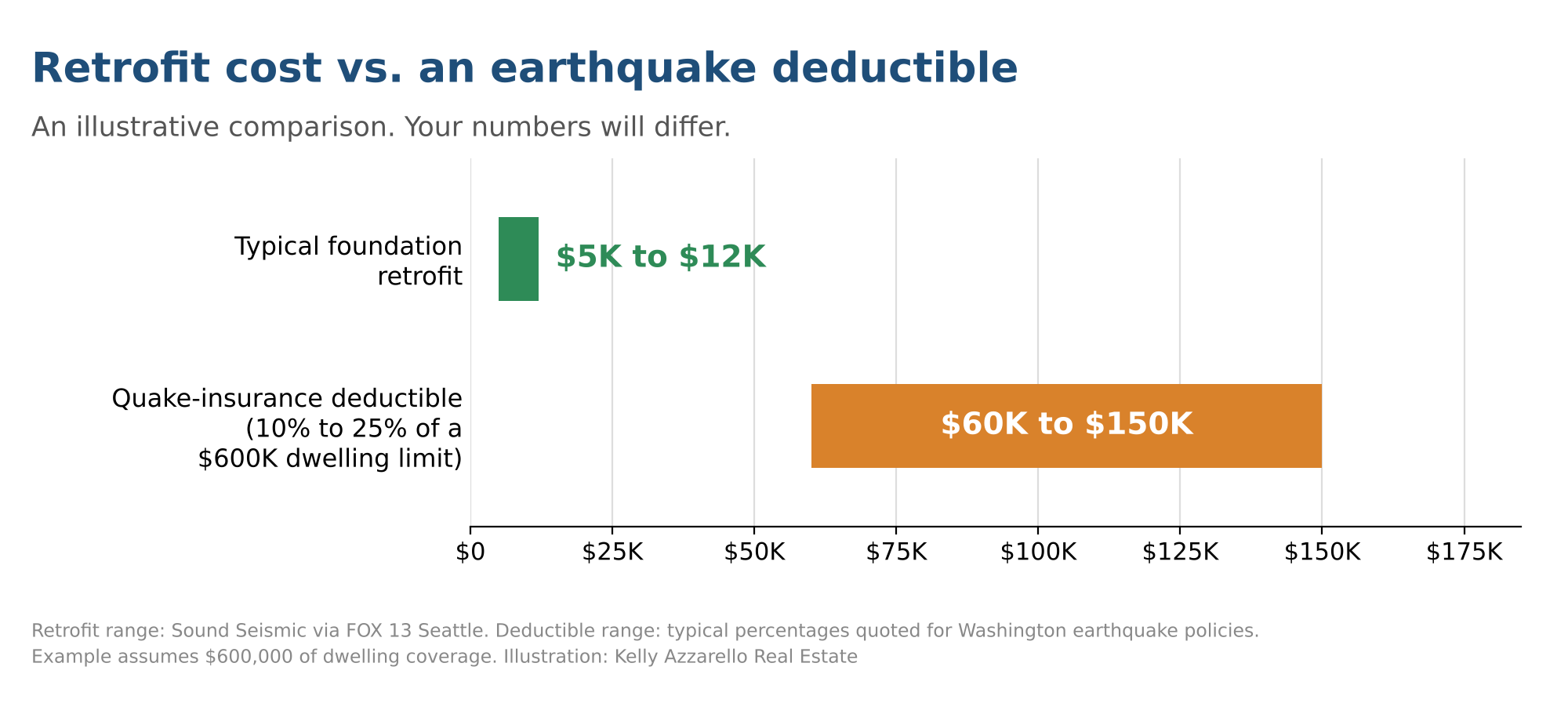
Figure 4. An illustrative comparison. Your coverage and costs will differ.
Some insurers reward it. Homes with foundation bolting or cripple wall bracing may qualify for earthquake premium discounts with some carriers. It's worth asking your insurance agent before and after the work.
It protects rentals and the people in them. For investment property, a retrofit protects both the asset and the safety of the tenants who live there.
It makes a house easier to sell. We can't promise a retrofit adds dollar-for-dollar value, and we wouldn't want you to count on that. What it does is remove an unknown. Inspectors typically note whether a foundation is anchored, and buyers in earthquake country can reasonably ask about it. A permitted, documented retrofit turns a possible negotiating point into a selling point.
What a retrofit won't do
A retrofit addresses the two most common failures. It doesn't make a home earthquake-proof. Unreinforced brick chimneys, heavy masonry veneer and some garage designs are separate issues and may need their own attention.
Permits are generally required. Seattle and most communities in the Northwest require one for this work, and each Eastside city has its own process, so check with yours before work begins. Get more than one bid, and ask each contractor to explain exactly what they'll anchor, brace and connect.
Thinking about selling?
If you may sell in the next few years and your home falls in the age range above, a retrofit can be one of the smarter projects to do first. Handling it on your own timeline, with permits and paperwork in hand, is far easier than negotiating a repair request against a closing date.
From Our Own Experience
A few years ago a good friend told me about this. I wasn’t aware of the underlying issues or the history of the home, but over lunch we had a long discussion. Especially if you’re buying an older home, you need to make certain that the
While our friend wasn’t ready to sell, he was very concerned about the safety of his family AND his eventual resale value of the home.
Wondering about your own foundation?
As agents, we work with contractors, suppliers and vendors regularly, and we've helped clients through big repairs. We can't recommend specific companies, but we can help you find the right fit and compare bids, whether you're buying, selling or just planning ahead.
Kelly Azzarello Real Estate | Compass
(425) 830-6457 | kelly@kellyazzarello.com | www.kellyazzarello.com
We're real estate professionals, not engineers or contractors. This post is general information, not structural, insurance or legal advice. A licensed structural engineer or contractor can assess your specific home, and your insurance agent can explain your coverage options.
Sources and further reading
• City of Seattle SDCI: Protect Your Home from Earthquake Damage (PDF)
• FOX 13 Seattle: Does your home need an earthquake retrofit? Here's how to check
• KOMO News: 14 percent chance of megaquake hitting Seattle, experts say
• Angi: How much does earthquake retrofitting cost in Seattle?
• Earthquake Tracker: Earthquake insurance in Washington State
• Earthquake Tracker: The Seattle Fault

Sewer Scope: Part III
The Sewer Scope Found a Problem.
Costs and Options
What to do first, what it can cost, and how to work through it whether you're selling or buying
The camera came out of the line, and the news isn't good. A crack, roots, a sag, a section that's partly collapsed. It's a stomach-drop moment, but it's also the moment the scope was for. You now know something you couldn't see, and you know it while you still have choices.
What to do first
• Get the video and the written report. You need both. The video shows exactly where the problem is, and a plumber can use it to bid.
• Don't panic and don't rush. A finding doesn't always mean a full replacement. Many problems are local and can be repaired in one section.
• Get a licensed plumber's written estimate. Ask them to watch the video and tell you what they would do and why.
• Get a second bid. Repair methods and prices vary a lot, and a second opinion can tell you whether the first bid is fair.
• Ask who is responsible for the line. In many places the homeowner owns the pipe from the house to the connection at the main, but rules differ. Check with your city or sewer district.
What does it cost to fix a sewer line problem?
This is where the surprises are. Repair prices vary a lot with pipe length and depth, access (driveways, landscaping, retaining walls), the repair method, and local permits and labor rates.
| Type of work | Commonly cited range |
|---|---|
| Spot repair of one damaged section | A few thousand dollars, roughly $1,500 to $7,500 |
| Trenchless lining or pipe bursting | Often $4,000 to $20,000+, depending on length |
| Full line replacement | Roughly $10,000 to $25,000+ in many markets |
National averages you'll see online are often much lower than what homeowners in higher-cost metro areas pay. In the Seattle area, for example, contractors publishing 2026 pricing put a full replacement anywhere from about $10,000 into the low $30,000s, and permits alone can add hundreds to a couple thousand dollars. Always get more than one written bid.
If you're selling
Sellers commonly take one of three paths:
• Repair before closing. You control the contractor and the timeline, and you can hand the buyer paperwork showing the work is done.
• Offer a credit at closing. The buyer takes over the contractor and the timeline. A written bid helps you set a number everyone can agree on.
• Adjust the price. Often used when the buyer would rather handle the repair themselves.
Disclosure rules vary by state and by type of seller, and a known defect generally needs to be disclosed where disclosure is required. "As is" doesn't stop a buyer from inspecting, asking for credits, or walking away. Ask your agent and, if needed, an attorney how the rules apply to you.
If you're buying
You typically have three options, and your inspection contingency is what makes them possible:
• Ask the seller to repair the line before closing
• Ask for a credit at closing
• Ask for a price reduction
If the problem is severe and the seller won't work with you, your contingency may let you walk away. Real bids from licensed plumbers turn an alarming report into a number you can negotiate with.
Why finding out early matters
Problems found early, with real repair estimates in hand, are much easier to work through, whether that means a repair, a credit, or a price adjustment. That's the real value of a sewer scope: not the report itself, but the time and options it gives you.
Earlier in this series
• Post 1: What Is a Sewer Scope Inspection?
• Post 2: Who Can Scope Your Sewer Line, an Inspector or a Plumber?
If something turns up, we can help
Hopefully you'll never need to reline or replace a sewer line. For most homeowners, it's a once-in-a-lifetime event. For us, as agents, it isn't. We see situations like this and have experience helping people through them.
We work with contractors, suppliers, and vendors regularly. We can't recommend specific companies, but we can help you work out what kind of professional you need, what questions to ask, and how to compare bids, so you find the right fit for your situation.
Whether you're selling soon or someday, we're glad to be a resource.
Kelly Azzarello Real Estate | Compass
kelly@kellyazzarello.com | (425) 830-6457 | www.kellyazzarello.com

Note:
Cost ranges are general estimates drawn from published 2026 cost guides and vary by property, region, and contractor. Get written bids from licensed professionals. This post is general information, not legal advice; disclosure rules differ by state.
Sewer Scope: Part II
Who Can Scope Your Sewer Line, an Inspector or a Plumber?
Booking a sewer scope sounds simple until you start making calls. Some inspectors say yes, some say no, and some say they can do it only if there's a cleanout. And the person who does it may or may not be the one you'd want to hire if the news is bad.
Here's how it works, who can do it, and what to ask before you book.
Not every inspector offers sewer scope Services
A sewer scope takes specialized camera equipment and training, so some inspectors offer it as an optional add-on and others don't. Those who don't will usually refer you to a plumber or a company that only does sewer cameras. When you book, ask:
• Do you perform sewer scopes?
• Will I get the video and a written report?
• What happens if there's no accessible cleanout?
How does the camera get into the line?
The scope is more hands-on than the rest of an inspection, because the technician needs a way into the main sewer line. In order of how disruptive they are:
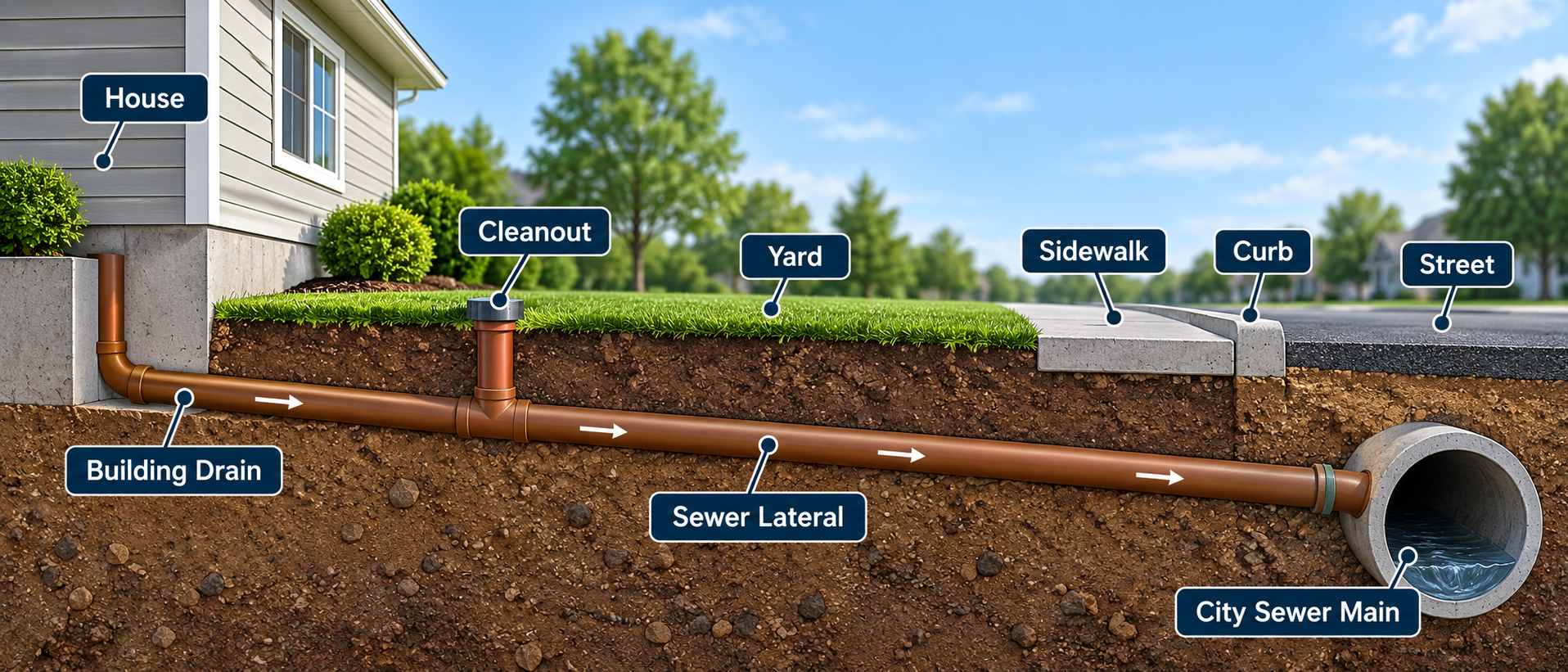
• An accessible cleanout. Outside the house, in a garage, or in a basement. This is the easiest route: the cap comes off, the camera goes in, and nothing else is disturbed.
• A roof vent. Some inspectors can feed the camera down a plumbing vent pipe. This only works if the roof is safe to access, and bends in the pipe can keep the camera from reaching the main line.
• Pulling a toilet. When there's no cleanout, the toilet may need to be removed to reach the drain, then reset. It works, but it's more invasive, and in some places only a licensed plumber is allowed to do it.
• Installing a cleanout. A plumber can add a permanent cleanout, often roughly $500 to $2,000. It's an added cost, but it makes this scope and future maintenance easier, and it can be a smart upgrade before you sell.
Should You Hire An Inspector or A plumber?
Plumbers can do sewer scopes too, and of course there are trade-offs:
| Home inspector | Plumber | |
|---|---|---|
| Typical Cost | Usually lower, especially as an add-on to the home inspection | Often higher than an add-on |
| Focus | Doesn't sell repairs, so there's no stake in the result | May also be the one who bids the repair |
| You Get | Video and a written report, then a recommendation to see a plumber | Video, a diagnosis, and often a repair price on the spot |
| Simple Fixes | Generally not done at the visit | Sometimes, such as a clog or minor root intrusion |
| Best When | You want the lowest-cost look, bundled with the inspection | You suspect a problem or want a price right away |
Does the person scoping need to be licensed?
It depends on where you live. In many places, a camera-only inspection doesn't require a plumber's license, but pulling toilets, installing cleanouts, and making repairs often do. Check with your state or local licensing board, and use a licensed contractor for any repair work.
Licensed, bonded, and insured mean three different things:
• Licensed: the state or local authority has approved the contractor to do the work.
• Bonded: the contractor has bought a surety bond that can compensate you if they fail to meet their obligations.
• Insured: the contractor carries liability and workers' comp insurance that covers accidents and property damage.
Ask for proof of all three, and verify the license through your state's database.
Next in this series
• Post 3: The Sewer Scope Found a Problem. Costs and Your Options
If something turns up, we can help
Hopefully you'll never need to reline or replace a sewer line. For most homeowners, it's a once-in-a-lifetime event. For us, as agents, it isn't. We see situations like this and have experience helping people through them.
We work with contractors, suppliers, and vendors regularly. We can't recommend specific companies, but we can help you work out what kind of professional you need, what questions to ask, and how to compare bids, so you find the right fit for your situation.
Whether you're selling soon or someday, we're glad to be a resource.
Kelly Azzarello Real Estate | Compass
kelly@kellyazzarello.com | (425) 830-6457 | www.kellyazzarello.com
This post is general information, not legal advice. Cost ranges are general estimates drawn from published 2026 cost guides and vary by property, region, and contractor. Licensing rules differ by state.
What Is a Sewer Scope?
Part 1: What Is a Sewer Scope Inspection?
And why a flushing toilet isn't proof your sewer line is fine
We once encountered an issue in a transaction that perfectly illustrates this. An offer came in contingent on an inspection and a sewer scope, and the scope uncovered a break in the main sewer line running out to the street. Because the pipe was buried, nobody involved had any idea it was there.
That's the thing about sewer lines. They're out of sight, and they can be failing long before you notice anything.
A working toilet doesn't mean a healthy sewer line
A toilet that flushes only tells you that waste leaves the bathroom. A sewer line can be cracked, offset, invaded by roots, or partly collapsed and still drain most of the time. Symptoms tend to show up slowly, or not at all until the day it fails.
What a sewer scope is
A sewer scope (also called a sewer camera inspection or sewer line video inspection) is a video check of the pipe that carries wastewater from your house to the city sewer main or septic system. A technician feeds a waterproof camera on a flexible cable through a cleanout and records what it sees.
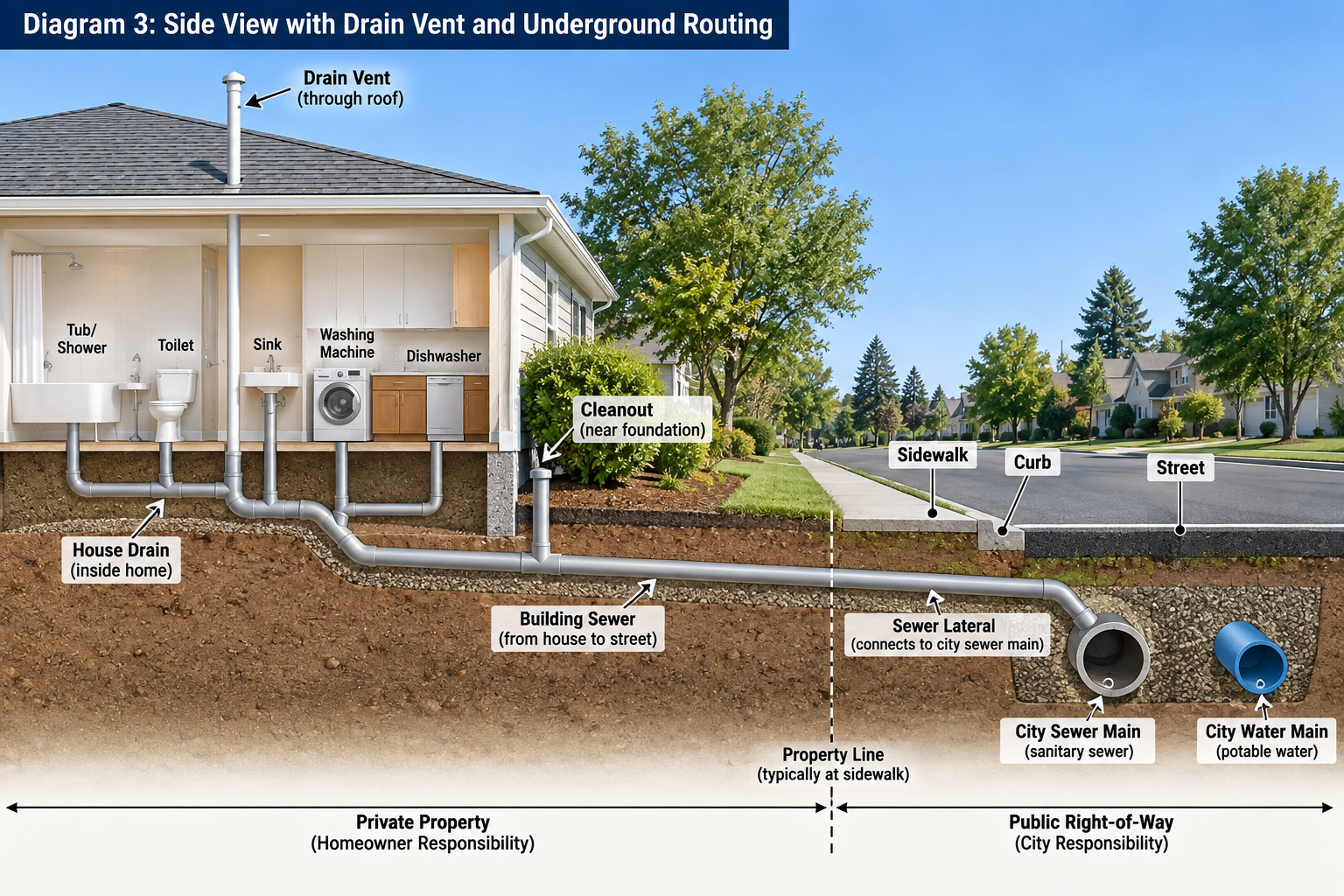
Side view of a home illustrating the sewer line connections.
It can reveal:
• Cracked, broken, or separated pipe
• Tree roots growing into joints
• Bellies, which are sags where waste and water collect
• Crushed or collapsed sections
• Deteriorating clay, cast iron, or Orangeburg (tar paper) pipe
• Heavy buildup or blockages
Is it part of a home inspection?
Usually not. Industry standards treat the buried sewer line as outside the scope of a typical home inspection, so it's a separate service you have to request. Not every inspector offers it, which we'll cover in the next post.
What does it cost?
Most published 2026 guides put a sewer scope at roughly $125 to $500 when there's an accessible cleanout, and often $100 to $250 when it's added to a home inspection. That's a small line item compared to what it can uncover.
Who should consider one?
• Homes more than about 20 to 30 years old
• Properties with mature trees near the sewer line
• Homes with older clay, cast iron, or Orangeburg pipe
• Homes with slow drains, gurgling, odors, or unusually wet or green patches in the yard
• Any home without a record of a recent scope, especially when nobody can vouch for its history
• Anyone who may sell someday. Knowing early gives you choices, instead of a surprise in the middle of a sale
Quick facts
What it is
A camera inspection of the main sewer line from your house to the street or septic system
How long it takes
Usually under an hour
Typical cost
About $125 to $500, or $100 to $250 as an add-on to a home inspection
In a standard home inspection?
Usually not. It is a separate service you request
Ask for
The video and a written report
Next in this series
• Post 2: Who Can Scope Your Sewer Line, an Inspector or a Plumber?
• Post 3: The Sewer Scope Found a Problem. Costs and Your Options
If something turns up, we can help
Hopefully you'll never need to reline or replace a sewer line. For most homeowners, it's a once-in-a-lifetime event. For us, as agents, it isn't. We see situations like this and have experience helping people through them.
We work with contractors, suppliers, and vendors regularly. We can't recommend specific companies, but we can help you work out what kind of professional you need, what questions to ask, and how to compare bids, so you find the right fit for your situation.
Whether you're selling soon or someday, we're glad to be a resource.
Kelly Azzarello Real Estate | Compass
kelly@kellyazzarello.com | (425) 830-6457 | www.kellyazzarello.com
[YouTube placeholder: link to video]
Cost ranges are general estimates drawn from published 2026 cost guides and vary by property, region, and contractor. This post is general information, not legal advice.